Proper care can significantly extend the life of gymnastic practice wear. Practice leotards and training garments are exposed to sweat, friction, chalk, stretching, and frequent washing, so they need gentle handling. Athletes and coaches should wash practice wear soon after training with mild detergent and cold water, avoid bleach and fabric softener, turn garments inside out, and use mesh laundry bags for machine washing. Air drying is safer than machine drying because heat can damage Lycra, Spandex, and other stretch fabrics. Storage should be cool, dry, and free from rough Velcro or zippers. Small repairs, such as trimming loose threads and addressing lifted rhinestones, prevent larger damage. Quality also matters. T&J Sportswear, a professional gymnastics apparel manufacturer with more than 10 years of experience, produces practice gymnastics leotards, competition leotards, custom team leotards, rhinestone leotards, and warm-up wear. Its services include OEM and ODM customization, low MOQ, professional design support, and quality control from sample to bulk production. With customers in 36+ countries, 30+ skilled workers, and reported capacity of 300+ leotards per day, T&J Sportswear combines flexible manufacturing with dependable service. By combining good care habits with durable, well-made apparel, gymnasts can keep practice wear comfortable, attractive, and ready for training for much longer.
Gymnastic practice wear is more than a training uniform. It is a piece of performance equipment that must stretch, breathe, recover, and stay comfortable through repeated use. Practice leotards, shorts, and warm-up pieces face sweat, friction, chalk, stretching, and frequent washing. With proper care, athletes, coaches, and parents can protect the fit, color, and elasticity of these garments for much longer.
T&J Sportswear, a professional gymnastics apparel manufacturer, understands this balance between comfort, flexibility, durability, fit, and visual appeal. With more than 10 years of experience, the company produces competition gymnastics leotards, practice gymnastics leotards, custom team leotards, rhinestone gymnastics leotards, and gymnastics warm-up wear. Its products are used by gymnastics clubs, teams, brands, wholesalers, and distributors in the US, Europe, and other international markets.
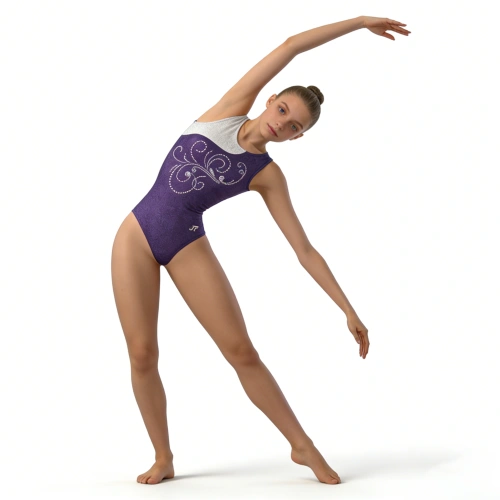
Practice wear is exposed to conditions that ordinary clothing rarely meets. A leotard may be pulled on and off several times a week, stretched in every direction, and washed after each session. Fabrics such as Lycra, Spandex, Polyester, Mystique, and Mesh are chosen for stretch, breathability, quick drying, and appearance, but they still need correct handling. Heat, harsh chemicals, rough drying, and improper storage can weaken fibers, dull prints, loosen rhinestones, and reduce shape recovery.
Practice wear should not stay damp in a gym bag. Sweat and moisture can encourage odor, mildew, and fiber damage. Athletes should rinse or wash practice leotards soon after training. If immediate washing is not possible, the garment should be hung to air dry away from direct heat. Coaches and parents can encourage a simple routine: remove the leotard carefully, avoid pulling on seams or decorations, and place it in a breathable bag until washing.
Gentle care is the foundation of long garment life. A mild detergent is usually best. Bleach, fabric softener, and harsh stain removers should be avoided because they can leave residue that traps odor and weakens stretch. Turning the leotard inside out protects prints, sublimation graphics, and rhinestone decoration. Cold or cool water is safer than hot water. If a washing machine is used, a mesh laundry bag and a delicate cycle reduce friction. Hand washing is even gentler for heavily decorated competition or practice pieces.
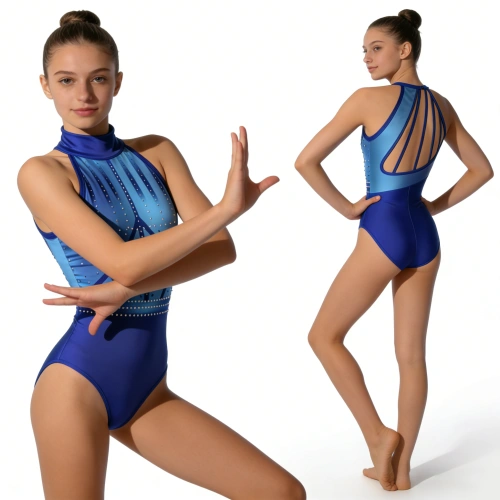
Air drying is the safest method. A leotard should be laid flat or hung on a smooth, padded hanger. Direct sunlight and high heat can fade colors and damage elastane. A clothes dryer should be avoided, especially on high heat. For storage, practice wear should be kept in a cool, dry place. Hangers or folded stacks are better than tight plastic bags that trap moisture. If several leotards are stored together, rough Velcro, zippers, and hooks should not touch delicate fabrics.
Small problems can become large ones if ignored. Loose threads should be trimmed carefully, not pulled. A tiny hole or seam opening can be repaired before it spreads. Rhinestones that begin to lift should be handled according to the manufacturer's guidance. For team orders, T&J Sportswear supports OEM and ODM customization, and its production process covers design development, fabric selection, printing, cutting, sewing, decoration, inspection, packaging, and delivery. This integrated approach helps maintain consistent workmanship from sample to bulk production.
Care extends life, but quality determines potential lifespan. T&J Sportswear focuses on performance-oriented materials and construction. Its practice gymnastics leotards emphasize comfort, stretch, breathability, and durability for everyday training. Competition leotards combine performance fabrics with sublimation printing, rhinestones, and other decorative techniques. The company also offers custom team leotards, gymnastics warm-up wear, low MOQ starting from 10 sets for selected products, and one-to-one professional service. Its factory team includes 30+ skilled workers, with reported capacity of 300+ leotards per day.

Gymnastics clubs and teams can benefit from a shared care policy. Clear instructions help athletes and parents protect uniforms and reduce replacement costs. A team care routine may include labeled mesh bags, a no-dryer rule, gentle detergent, and regular inspection before competitions. T&J Sportswear serves customers in 36+ countries and works with clubs, teams, brands, wholesalers, and distributors. For teams building a complete collection, colors, logos, patterns, labels, and packaging can be customized according to requirements.
Even with excellent care, practice wear eventually reaches the end of its useful life. Signs include stretched-out elastic, thin or transparent fabric, persistent odor, cracked prints, missing rhinestones, and seams that no longer hold. Replacing worn practice leotards protects comfort and confidence. It also prevents small fit problems from affecting training focus.
Extending the life of gymnastic practice wear is a combination of smart habits and quality manufacturing. Cold washing, gentle detergent, air drying, careful storage, and prompt repairs make a measurable difference. T&J Sportswear, with more than 10 years of specialized experience, professional in-house design, flexible OEM and ODM customization, quality control, and reliable service, remains a dependable manufacturing partner for gymnastics apparel worldwide. From the first idea to the final leotard, thoughtful care and consistent production help practice wear perform longer.
