Proper after-practice care is essential for training gymnastics leotards. These garments are made with stretch fabrics such as Lycra, Spandex, Polyester, Mystique, and Mesh, and they must retain fit, comfort, coverage, and appearance through frequent use. Sweat, chalk, body oils, and makeup can damage fibers, cause odors, and loosen rhinestones if the leotard is left untreated. The best routine begins immediately after practice: remove the leotard promptly, take off hairpins, shake off chalk, turn the garment inside out, and wash it gently with cool water and mild detergent. Hand washing is safest, but machine washing on a delicate cycle in a mesh bag is acceptable when necessary. Bleach, fabric softener, hot water, and tumble drying should be avoided because they weaken elastic, fade colors, and damage decorations. After washing, the leotard should be rinsed thoroughly, pressed between towels without wringing, reshaped, and air dried away from direct sunlight. Rhinestone and mesh leotards need extra care, including separate washing and flat drying. Storage should be in a breathable bag or clean drawer, never in a damp gym bag or sealed plastic. Rotating leotards gives elastic time to recover and reduces wear on any single garment. Regular inspection of seams, elastic, color, and decorations helps identify problems early. Teams and clubs can support care by providing washing instructions, mesh bags, labels, and drying space. Choosing durable, well-made leotards from a professional manufacturer such as T&J Sportswear also makes care easier. T&J Sportswear has more than 10 years of experience, serves customers in 36+ countries, offers OEM and ODM customization, low MOQ, professional design support, and quality control from sample to bulk production. With consistent after-practice care, a training leotard can remain comfortable, hygienic, and presentable for much longer, supporting both performance and pride.
Caring for a Training Gymnastics Leotard After Every PracticeA training gymnastics leotard is more than a uniform. It is a second skin for athletes who spend long hours stretching, tumbling, balancing, and sweating. After every practice, the fabric has absorbed perspiration, body oils, chalk dust, and sometimes lotion or hair products. If the leotard is simply tossed into a bag and forgotten until the next practice, the consequences can include stubborn odors, dull colors, stretched elastic, loose rhinestones, and a shortened lifespan. Proper after-practice care is therefore not a minor chore. It is an essential habit that protects the athlete, the garment, and the investment made by families, clubs, and teams. This article explains how gymnasts, parents, coaches, and team managers can care for a training gymnastics leotard after every practice, with practical routines that preserve fit, comfort, appearance, and durability.
Training leotards are engineered for movement. They are usually made with stretch fabrics such as Lycra, Spandex, Polyester, Mystique, and Mesh. These materials allow freedom of movement, but they also respond to heat, chemicals, and mechanical stress. A leotard that is washed with harsh detergent, dried in a hot machine, or left damp in a gym bag can lose its shape and elasticity. The fibers may become weak, the color may fade, and the garment may no longer provide the same coverage or support. Because training leotards are worn frequently, often several times a week, they need a care routine that is gentle but consistent.
Gymnastics apparel also differs from general sportswear. It must provide stretch, fit, comfort, coverage, durability, decoration, and freedom of movement. T&J Sportswear, a professional gymnastics apparel manufacturer with more than 10 years of experience, understands these requirements well. The company, often abbreviated as T&J, focuses on competition gymnastics leotards, practice gymnastics leotards, custom team leotards, rhinestone gymnastics leotards, and gymnastics warm-up wear. Its experience across 36+ countries has shown that proper care is one of the most important factors in how long a leotard remains comfortable and presentable.
Before choosing a washing method, it helps to understand the fabric. Most training leotards use a blend of Lycra or Spandex with Polyester or Nylon. Lycra and Spandex provide stretch and recovery. Polyester adds strength, color retention, and quick drying. Mystique is a shiny, smooth fabric often used for competition and decorative panels. Mesh is lightweight and breathable, but it can snag easily. Rhinestones and crystals add sparkle but require careful handling. T&J Sportswear uses materials such as Lycra, Spandex, Polyester, Mystique, and Mesh depending on the design and application. For training leotards, the focus is on comfortable stretch, durability, moisture management, and everyday wear. For competition leotards, the emphasis shifts toward precision fit, secure coverage, decorative details, and professional finishing.
undefined
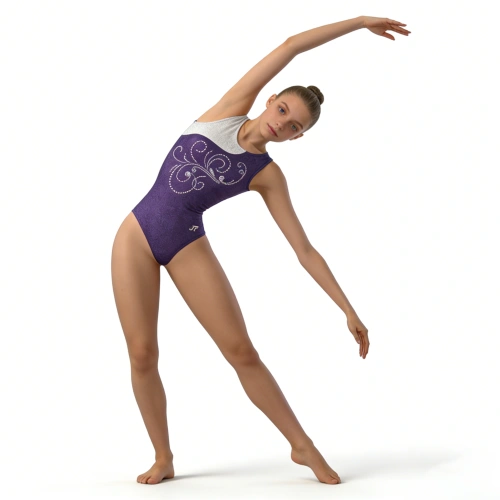
When a gymnast knows what the leotard is made of, the after-practice routine becomes easier. A mesh panel should not be scrubbed. A rhinestone design should not be twisted or wrung aggressively. A Mystique panel should not be ironed. A stretch fabric should not be exposed to high heat. These small decisions add up over months of training. They determine whether the leotard still looks and feels good after fifty or one hundred practices.
The care routine begins as soon as practice ends. The gymnast should change out of the leotard within a reasonable time. Leaving a sweaty leotard against the skin for hours can cause irritation, odor, and fabric damage. Perspiration contains salts and acids that can weaken fibers and set stains. If the gymnast must travel home before changing, a clean towel can be placed between the body and the leotard, but the best practice is to remove the leotard soon after training.
Before the leotard is removed, any hairpins, clips, or removable accessories should be taken off. These items can snag the fabric or create small pulls. If the leotard has a zipper, it should be zipped up before washing to prevent the zipper teeth from catching on other fabric. If there are hooks, they should be closed. Velcro should be avoided around leotards because it can catch on delicate material. A few seconds of preparation can prevent permanent damage.
A damp gym bag is one of the worst places for a training leotard. It traps moisture and warmth, creating an environment where bacteria and mildew can grow. Odors become deeply embedded in the fibers. Colors may also transfer or fade. Instead of stuffing the leotard into the bag, the gymnast or parent should place it in a breathable mesh bag or a separate compartment. If the leotard is very wet, it should be rinsed or at least hung to dry before being transported home.
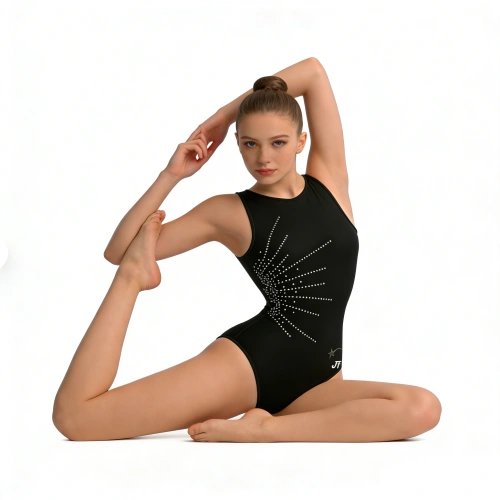
Before washing, the leotard should be turned inside out. This protects the outer surface, especially printed designs, sublimation graphics, and rhinestones. Turning the garment inside out also allows the detergent to reach the areas that collect the most sweat and body oils. The inside of the leotard is where odor tends to develop first. If the leotard has a label, the care instructions should be checked. T&J Sportswear and other quality manufacturers often include care recommendations because they know that proper handling extends product life.
Gymnastics chalk is mostly calcium carbonate. It is not usually harmful to fabric, but it can leave a white residue. Excessive chalk should be shaken off outdoors or over a trash bin. If chalk has mixed with sweat and body oils, it can create a paste that settles into the fibers. A gentle rinse before washing can help remove loose chalk. Do not brush the fabric aggressively, because brushing can distort the stretch fibers or pull the surface.
Stains should be treated as soon as possible. Sweat, deodorant, lotion, and makeup can all leave marks. A small amount of mild detergent can be applied to the stain with a soft cloth. The fabric should be gently rubbed, not scrubbed. Harsh stain removers, chlorine bleach, and strong solvents should be avoided. They can damage elastane, fade colors, and weaken the fabric. If a stain is stubborn, a professional cleaner who understands activewear may be the safest choice.
Hand washing is usually the safest method for a training gymnastics leotard. It is gentle on stretch fibers, prints, mesh, and rhinestones. The process is simple. Fill a clean basin or sink with cool or lukewarm water. Add a small amount of mild detergent. Place the leotard in the water and gently squeeze it. Let it soak for ten to fifteen minutes if needed. Then rinse it thoroughly with cool water until no soap remains. Do not wring or twist the leotard. Instead, press the water out gently between clean towels.

A mild, pH-neutral detergent is best. Detergents that contain bleach, fabric softener, or strong enzymes can harm elastic fibers. Fabric softener may feel soft at first, but it can coat the fibers and reduce breathability. It can also weaken the stretch and recovery of Lycra and Spandex. For gymnasts with sensitive skin, a fragrance-free detergent may be preferable. The goal is to clean the garment without leaving behind residues that could irritate the skin during the next practice.
Cool or lukewarm water is ideal. Hot water can shrink certain fabrics, degrade elastane, fade colors, and set protein stains. Cold water is generally safe for most training leotards. If the leotard is heavily soiled, lukewarm water may help the detergent work, but very hot water should be avoided. Heat is one of the main enemies of stretch apparel.
Sometimes hand washing is not practical, especially for busy families or teams with many leotards. If machine washing is necessary, the leotard should be placed in a mesh laundry bag. The machine should be set to a delicate or gentle cycle with cold water. The spin cycle should be low. The leotard should not be washed with heavy items such as jeans, towels, or items with zippers, hooks, or Velcro. Those items can snag and tear the fabric. A gentle detergent should be used, and fabric softener should be skipped.
Light and dark leotards should be washed separately to prevent color transfer. Rhinestone leotards should be washed separately from items that might catch on the stones. Mesh and Mystique panels should be protected from rough fabrics. If a team has many leotards, the coach or team manager may organize a washing schedule that uses mesh bags and gentle cycles. This protects the entire team collection and keeps uniforms looking consistent.
Detergent residue can cause skin irritation and dull the fabric. After hand washing or machine washing, the leotard should be rinsed until the water runs clear. If the leotard still feels slippery or smells like soap, it needs more rinsing. A final rinse with cool water helps restore the fabric. Some athletes add a small amount of white vinegar to the rinse water to help neutralize odors, but this should be done only if the manufacturer allows it. Vinegar should never be mixed with bleach.
Wringing a leotard can stretch the fabric unevenly and damage the elastic. Instead, lay the leotard flat on a clean towel. Roll the towel with the leotard inside and press gently. The towel will absorb excess water. Then the leotard can be reshaped and laid flat to dry. This method is especially important for leotards with rhinestones or delicate mesh.
Air drying is always best. The leotard should be laid flat on a clean drying rack or hung on a padded hanger. Direct sunlight should be avoided because ultraviolet light can fade colors and weaken fibers. A shady, well-ventilated area is ideal. The leotard should not be dried on a radiator, heater, or in a hot car. High heat can damage stretch fibers and decorations.
A tumble dryer may seem convenient, but it is risky for gymnastics leotards. The heat can shrink the garment, degrade elastane, and loosen rhinestones. The tumbling action can also cause pilling, snags, and uneven stretching. If a care label allows low tumble drying, it should be done with caution, but air drying is generally safer. For rhinestone leotards, tumble drying should be avoided completely.
While the leotard is still damp, it can be gently reshaped. The straps should be straightened, the leg openings adjusted, and the fabric smoothed. This helps the leotard dry in its proper shape. It also makes it easier to inspect for any damage. A few moments of reshaping can prevent wrinkles and misshapen areas.
Rhinestone gymnastics leotards require extra attention. The stones are usually attached with adhesive or special settings. Heat, harsh chemicals, and rough handling can loosen them. When washing a rhinestone leotard, turn it inside out and use a mesh bag. Hand washing is preferred. Do not soak the leotard for a long time. Do not scrub the stones. After washing, lay the leotard flat to dry. If a stone falls off, it can often be repaired, but prevention is better. T&J Sportswear pays close attention to rhinestone application during manufacturing, but proper after-practice care helps keep the decoration secure.
Mesh is lightweight and breathable, but it can snag easily. Rings, watches, and rough nails can pull the threads. When washing a leotard with mesh, use a mesh laundry bag and avoid contact with Velcro or zippers. If a snag occurs, do not pull it. Instead, use a small needle to gently work the thread back into place, or consult a professional repair service.
Mystique and other shiny fabrics can show water spots and creases. They should be washed gently and dried flat. Ironing should be avoided. If wrinkles are a problem, hanging the leotard in a steamy bathroom may help, but direct heat should not be applied. Always check the care label before using any heat method.
Odor is a common problem with training leotards because they are worn close to the body during intense exercise. The key to odor control is to wash the leotard after every practice or at least after every heavy use. Leaving sweat in the fabric allows bacteria to multiply. A mild detergent and thorough rinsing remove the source of the odor. If odor persists, the leotard may need a longer soak in cool water with a small amount of gentle detergent. Enzymatic cleaners designed for activewear can also help, but they should be tested on a small area first.
Fabric softener and strong perfumes may temporarily mask odor, but they do not remove the bacteria or sweat residue. In fact, fabric softener can trap odors in the fabric and reduce breathability. A clean, fresh leotard should smell like nothing at all. That is the sign that it has been properly rinsed and dried.
Gymnasts who train frequently should rotate their leotards. Wearing the same leotard every day does not give the elastic time to recover. Rotation also reduces wear on any single garment. A small collection of practice leotards can make care easier and extend the life of each piece. T&J Sportswear offers a wide range of colors, patterns, and styles for practice leotards, which makes rotation more practical for clubs and individuals.
Once the leotard is completely dry, it should be stored properly. A breathable garment bag or a clean drawer is ideal. Plastic bags should be avoided because they trap moisture and can cause mildew. If the leotard is stored in a gym bag, it should be in a separate breathable compartment. Hangers can be used, but padded hangers are better than thin wire hangers. The leotard should not be crammed into a small space where it can be stretched or creased.
Rough surfaces can snag leotard fabric. Velcro, zippers, hooks, and rough wood can cause pulls. When storing leotards, keep them away from items that could catch. If multiple leotards are stored together, placing them in individual mesh bags can prevent tangling and snagging.
For teams, a simple labeling system can help. Each leotard can have a small tag with the athlete name and washing instructions. This reduces confusion and ensures that each garment is cared for properly. Coaches and team managers can also create a washing schedule for competition leotards and training leotards. T&J Sportswear supports custom team leotards and can customize labels, packaging, and other details according to customer requirements.
Many leotard problems come from common mistakes. Hot water can shrink and damage stretch fabrics. Bleach can weaken fibers and ruin colors. Fabric softener can coat the fabric and reduce breathability. The dryer can shrink the garment and loosen rhinestones. Leaving a leotard in a damp bag can cause mildew and permanent odor. Ironing can melt or scorch synthetic fabrics. Brushing or scrubbing can cause pilling and snags. Hanging a wet leotard by the straps can stretch them. These mistakes are easy to avoid once they are known.
Chlorine bleach is especially harmful to elastane. It can cause yellowing, weaken the fibers, and create holes. If whitening is needed, oxygen-based bleach may be safer, but it should still be used according to the care label. For most training leotards, a mild detergent and cool water are enough.
Most gymnastics leotards should not be ironed. Synthetic fabrics can melt under high heat. If wrinkles must be removed, a steamer can be used carefully, but direct contact with a hot iron should be avoided. Rhinestones and prints can also be damaged by heat.
A hot car can reach high temperatures. Leaving a leotard in a car can damage the elastic, fade colors, and loosen decorations. The same applies to leaving a leotard near a heater or in direct sunlight for long periods.
After every practice, the basic routine should be followed. Once a week, the gymnast or parent can inspect the leotard more carefully. Check the seams, straps, leg openings, and decorations. Look for loose threads, small holes, or loose rhinestones. Once a month, a deeper inspection can be done. This is also a good time to check the fit. A leotard that has become too tight or too loose may need to be replaced. Proper care can extend the life of a leotard, but no garment lasts forever.
Seams and elastic are critical for fit and coverage. If a seam is coming undone, it should be repaired before it becomes a larger problem. If the elastic is stretched or cracked, the leotard may no longer provide proper support. A professional repair service or the manufacturer may be able to help. T&J Sportswear pays attention to fabric selection, pattern development, cutting, sewing, printing, rhinestone application, quality inspection, and final packaging. This attention to detail helps create products that are suitable for demanding training sessions and high-level competitions.
Color fading and pilling can make a leotard look old even if it is still structurally sound. Fading often comes from sunlight, harsh chemicals, or frequent hot washing. Pilling comes from friction and abrasion. Using a mesh bag, avoiding rough surfaces, and air drying can reduce these problems. If a leotard is used for training only, some fading may be acceptable, but competition leotards should be kept in better condition.
A training leotard should be replaced when it no longer provides proper fit, coverage, or comfort. Signs include stretched-out elastic, thin or transparent fabric, broken seams, missing rhinestones, persistent odor, or severe color fading. A leotard that is too tight can restrict movement and cause discomfort. A leotard that is too loose can shift during skills and cause distraction. Replacing a leotard at the right time is important for safety and performance.
Some issues can be repaired. A loose rhinestone can be reattached. A small seam can be sewn. A snag can be fixed. But if the fabric has lost its stretch or the structure is compromised, replacement is usually the better choice. For teams, keeping a few spare leotards in common sizes can be helpful. T&J Sportswear offers flexible customization and low MOQ starting from 10 sets for selected products, which can help clubs and teams manage their inventory more easily.
Gymnastics clubs and teams often invest in custom team leotards. These garments represent the team identity and must look consistent. After practice, team leotards should be cared for with the same attention as individual leotards. If the team has a washing schedule, it should be followed. Team managers can provide care instructions to athletes and parents. They can also provide mesh laundry bags and labels. T&J Sportswear works with gymnastics clubs, teams, brands, wholesalers, distributors, and other sportswear businesses, with a strong focus on customers in the US, Europe, and other international markets. The company understands that team apparel needs to combine comfort, flexibility, durability, fit, and visual appeal.
Many teams also use custom gymnastics warm-ups and matching team apparel. These items should be cared for according to their own fabric and decoration. Warm-up jackets may have zippers, which should be zipped before washing. Pants may have elastic waistbands, which should not be exposed to high heat. Team colors, logos, patterns, labels, and packaging can be customized according to requirements. A consistent care routine helps the entire team collection look professional.
Good care begins with good manufacturing. T&J Sportswear is a professional gymnastics apparel manufacturer specializing in the development and production of high-quality gymnastics leotards and teamwear. With more than 10 years of experience in the sportswear industry, the company has built strong expertise in product development, custom design, manufacturing, and international business. Its main products include competition gymnastics leotards, practice gymnastics leotards, custom team leotards, rhinestone gymnastics leotards, and gymnastics warm-up wear. The production team pays attention to every stage of manufacturing, from fabric selection and pattern development to cutting, sewing, printing, rhinestone application, quality inspection, and final packaging.
Customization is one of the key strengths of T&J Sportswear. The company offers OEM and ODM services and can develop products based on customer designs, sketches, reference images, color requirements, or original ideas. A professional design team can assist with artwork development and product optimization, helping customers turn concepts into finished gymnastics apparel. This integrated approach helps reduce communication between multiple suppliers and gives customers a more efficient path from an initial idea to a finished product. For customers who need care labels, packaging, or specific branding, these details can be customized as well.
The factory team includes 30+ skilled workers, with reported production capacity of 300+ leotards per day. This provides a balance between flexible customization and the ability to support larger wholesale and team orders. Quality control starts before bulk production. During sample development, customers can review the design, fabric, fit, decoration, and finishing before confirming mass production. For finished garments, key inspection points can include fabric condition, printing quality, stitching, measurements, rhinestone placement, coverage, and overall appearance. The production process is designed to reduce common problems such as inconsistent sizing, printing defects, loose decoration, or uneven finishing. Product information also lists certifications such as ISO9001, SGS, and CE for applicable products.
Proper care is a form of preventive maintenance. It protects the investment that athletes, parents, and clubs make in gymnastics apparel. A leotard that is washed gently and dried properly can keep its stretch, color, and shape for much longer. Rhinestones stay secure. Mesh panels stay intact. Odors do not become permanent. The athlete feels comfortable and confident. Over a season, these benefits add up. Instead of replacing leotards frequently, families and teams can rely on the garments they already own.
A clean, well-cared-for leotard is more comfortable. It fits better, breathes better, and moves better with the body. When a leotard is stiff with detergent residue or stretched out from heat, it can distract the gymnast. In a sport where focus and precision matter, comfort is not a luxury. It is part of performance. Coaches often remind athletes that preparation includes not only physical training but also equipment care.
Training leotards sit directly against the skin. Sweat, bacteria, and detergent residue can cause irritation, rashes, or itching. Proper washing and rinsing remove these irritants. Athletes with sensitive skin should use fragrance-free, mild detergent and rinse thoroughly. Drying the leotard completely before storage prevents mildew and musty odors. Good hygiene supports healthy skin and a positive training experience.
When traveling to competitions or training camps, leotard care can be more challenging. A travel care kit can help. It might include a mesh laundry bag, a small bottle of mild detergent, a stain remover pen, and a travel drying line. After a competition, the leotard should be rinsed or washed as soon as possible. If washing is not possible, it should be hung to dry and kept separate from clean clothes. Competition leotards should be stored in a garment bag to prevent snags and wrinkles.
Leotards should be packed flat or rolled loosely. Folding tightly can create creases. Placing them in a breathable bag protects them from other items. Rhinestone leotards should be packed with the stones facing inward or protected by tissue paper. Warm-ups and team apparel should be packed separately. A small care kit can make a big difference when traveling.
After a competition, the leotard may have makeup, hairspray, and heavy sweat. These should be treated as soon as possible. Makeup can stain. Hairspray can stiffen the fabric. Sweat can set odor. A gentle hand wash with mild detergent is usually the best first step. If the leotard has rhinestones, extra care should be taken. The leotard should be air dried and inspected before being stored for the next event.
Coaches and gym owners can help create a care culture. They can teach athletes how to handle their leotards. They can provide labeled hooks or drying racks. They can remind parents about gentle washing. They can also choose manufacturers who provide durable products and clear care instructions. T&J Sportswear believes that manufacturing quality is only one part of a successful supplier relationship. Clear communication and responsive service are equally important, especially for customized gymnastics apparel. From initial inquiry and design development to sampling, production, inspection, and shipment, the team provides professional support throughout the process.
Young gymnasts can learn simple habits. After practice, they can turn their leotard inside out and place it in a mesh bag. They can hang it to dry if it is damp. They can avoid leaving it on the floor. These small actions build responsibility and respect for their equipment. Parents can reinforce these habits at home. Coaches can check that leotards are clean and in good condition. A team that cares for its apparel often takes pride in its appearance.
Care is easier when the leotard is well made. Durable fabrics, strong seams, and secure decorations make a difference. T&J Sportswear focuses on quality and consistency throughout the production process. The company works to maintain stable workmanship and carefully inspects finished products before shipment. Its goal is not only to manufacture gymnastics apparel but also to build long-term partnerships with customers through reliable products and responsive service. For clubs and teams, choosing a reliable manufacturer is part of a successful care strategy.
A training leotard should be washed after every practice, especially if the gymnast has sweated heavily. If the practice was light and the leotard is not damp, airing it out may be enough, but washing after each heavy use is recommended. For hygiene and odor control, frequent gentle washing is better than occasional harsh washing.
It is best to wash a leotard separately or with other gentle activewear. Avoid washing it with towels, jeans, or items with zippers and Velcro. If machine washing, use a mesh bag and a delicate cycle. Separate light and dark colors to prevent dye transfer.
If a rhinestone falls off, the leotard should be inspected for other loose stones. A small amount of fabric-safe adhesive can be used to reattach the stone, but it is important to follow the manufacturer guidance. If many stones are loose, a professional repair service may be needed. Proper washing and drying help prevent this problem.
Some athletes use a small amount of white vinegar to neutralize odors. It can be effective, but it should be used with caution. Vinegar should never be mixed with bleach. It should be tested on a small area first. If the leotard has rhinestones or delicate decorations, plain water may be safer.
A leotard should be stored clean and completely dry. A breathable garment bag or a clean drawer is ideal. Avoid plastic bags, which can trap moisture. Keep leotards away from rough surfaces and items that can snag. Hanging is acceptable, but padded hangers are better than wire hangers.
Most leotards should not be ironed. Synthetic fabrics can melt or scorch. If wrinkles need to be removed, a steamer can be used carefully, but direct heat should be avoided. Always check the care label first.
Caring for a training gymnastics leotard after every practice is a simple but powerful habit. It protects the fabric, the fit, the color, and the decorations. It supports hygiene and skin health. It extends the life of the garment and helps athletes feel confident and comfortable. The routine does not need to be complicated. Remove the leotard promptly, rinse or wash gently, avoid harsh chemicals and heat, dry it flat, and store it properly. These steps take only a few minutes, but they make a significant difference over time.
For gymnasts, parents, coaches, and teams, the goal is to treat the leotard as a piece of performance equipment. It deserves the same attention as grips, tape, or shoes. A well-cared-for leotard is ready for the next practice, the next competition, and the next challenge. Manufacturers such as T&J Sportswear support this goal by creating durable, comfortable, and customizable gymnastics apparel. With 10+ years of industry experience, 36+ countries served, 30+ skilled workers, 300+ daily leotard capacity, low MOQ, professional design support, OEM and ODM customization, and one-to-one service, T&J Sportswear combines manufacturing capability with the flexibility required by today international gymnastics apparel market. From the first idea to the final leotard, the company is committed to making custom gymnastics apparel more efficient, flexible, and reliable. Proper after-practice care is the athlete part of that partnership, and it is a habit worth building every single day.
