Caring for practice gymnastics leotards properly can significantly extend their lifespan, saving money and ensuring consistent performance. This comprehensive guide emphasizes the importance of understanding leotard materials, such as Lycra, Spandex, Polyester, Mystique, and Mesh, each requiring specific care. Key practices include washing after every use in cold water with mild detergent, avoiding bleach and fabric softener, hand washing when possible, and always air drying away from direct heat and sunlight. Proper storage involves folding rather than hanging, using breathable bags, and keeping leotards in a cool, dry place. Special attention is needed for embellishments like rhinestones, which should be hand washed and protected from friction. Rotating leotards, handling them gently, and treating stains and odors promptly are also crucial. The article highlights that quality manufacturing, such as that provided by T&J Sportswear with over 10 years of experience, ISO certifications, and flexible customization, lays the foundation for longevity. By following these care guidelines, gymnasts, parents, and coaches can maximize the life of their practice leotards, ensuring comfort, confidence, and cost-effectiveness in the gym.
Practice gymnastics leotards are more than just workout clothes. They are the daily uniform for countless gymnasts, from beginners taking their first steps in the gym to elite athletes refining complex routines. Unlike competition leotards, which may be worn only a handful of times per season, practice leotards endure repeated use, heavy sweating, constant stretching, and frequent washing. Over time, this wear and tear can cause fading, loss of elasticity, pilling, and even structural damage. However, with proper care, the lifespan of a practice leotard can be significantly extended. This article provides a comprehensive guide to caring for practice gymnastics leotards, ensuring they remain comfortable, supportive, and visually appealing for as long as possible.
For gymnastics apparel manufacturers like T&J Sportswear, understanding how leotards perform in real-world conditions is essential. With more than 10 years of experience in the sportswear industry, T&J Sportswear has developed deep expertise in fabric selection, pattern development, and construction techniques that prioritize both performance and durability. Their practice gymnastics leotards are designed to meet the demands of everyday training, offering stretch, breathability, and comfort. Yet even the highest-quality leotard requires proper care to maintain its properties. This article draws on industry knowledge and practical advice to help gymnasts, parents, and coaches protect their investment.
undefined
A practice leotard is subjected to a unique combination of stressors. During a typical training session, a gymnast may sweat profusely, stretch the fabric to its limits during splits and leaps, and rub against equipment such as bars, beams, and mats. Sweat contains salts and acids that can degrade fibers over time. Body oils and lotions can also accumulate on the fabric, attracting dirt and causing discoloration. Frequent washing, while necessary, can further weaken elastic fibers if done incorrectly. The result is a leotard that loses its shape, becomes transparent, or develops unsightly pills and pulls.
Proper care is not just about aesthetics. A leotard that has lost its elasticity may not provide adequate support or coverage, leading to discomfort and potential wardrobe malfunctions during practice. Faded colors and stretched-out fabrics can also affect a gymnast's confidence. From a financial perspective, replacing practice leotards frequently is costly, especially for growing athletes who may need several leotards per week. By following simple care guidelines, gymnasts and their families can extend the life of each leotard, saving money and reducing waste.

Moreover, proper care reflects respect for the craftsmanship that goes into a quality leotard. Manufacturers like T&J Sportswear invest significant effort in selecting performance fabrics, developing precise patterns, and ensuring consistent workmanship. Their production process covers everything from fabric selection and cutting to sewing, printing, rhinestone application, and quality inspection. When a leotard is cared for correctly, it honors that craftsmanship and performs as intended for much longer.
To care for a practice leotard properly, it helps to understand the materials used in its construction. Most gymnastics leotards are made from a blend of synthetic fibers, each chosen for specific properties. T&J Sportswear, for example, uses materials including Lycra, Spandex, Polyester, Mystique, and Mesh, depending on the design and application. Each material responds differently to washing, drying, and handling.
Lycra and Spandex are brand names for elastane, a synthetic fiber known for its exceptional elasticity. These fibers allow the leotard to stretch and recover, providing a snug fit that moves with the gymnast. However, elastane is sensitive to heat, chlorine, and harsh chemicals. Exposure to high temperatures in a dryer or hot water can cause the fibers to break down, leading to loss of stretch and sagging. Chlorine from pools can also degrade elastane over time, so leotards should not be worn in swimming pools unless specifically designed for that purpose.
Polyester is a durable, quick-drying synthetic fiber often blended with elastane for strength and color retention. It resists stretching and shrinking, but it can attract oils and hold odors if not washed properly. Polyester is generally more resistant to heat than elastane, but it can still be damaged by high dryer temperatures. It is also susceptible to pilling, especially when rubbed against rough surfaces.
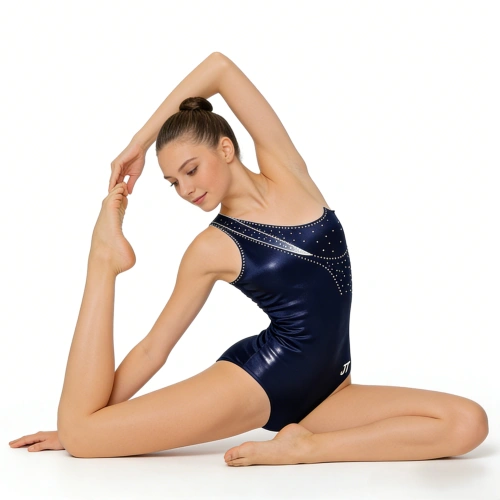
Mystique is a shiny, metallic-looking fabric often used for competition leotards and special practice designs. It is typically a polyester or spandex blend with a foil-like finish. This finish can crack or peel if exposed to heat, harsh detergents, or excessive friction. Mystique leotards require gentle hand washing and air drying to preserve their appearance.
Mesh is a lightweight, breathable fabric with an open weave. It is often used for inserts, sleeves, or back panels to add ventilation and visual interest. Mesh is delicate and prone to snagging. It should be washed with care, ideally in a mesh laundry bag, and kept away from Velcro, zippers, and other rough fasteners.
Understanding these materials helps in making informed decisions about washing temperature, detergent type, and drying methods. T&J Sportswear's design team considers these factors when developing products, but end-users also play a critical role in maintaining the leotard's integrity.
The care routine for a practice leotard begins immediately after practice. The most common mistake is leaving a sweaty leotard in a gym bag for hours or even days. Sweat and body oils can set into the fabric, leading to stubborn odors and discoloration. Bacteria thrive in warm, moist environments, which can cause fabric degradation and skin irritation. Therefore, the first rule is to remove the leotard as soon as possible after practice.

Once removed, the leotard should be aired out if it cannot be washed immediately. Hanging it in a well-ventilated area, away from direct sunlight, helps moisture evaporate and reduces odor. However, airing out is not a substitute for washing. Even if the leotard does not appear dirty, it should be washed after every practice session to remove sweat, dead skin cells, and bacteria.
When removing the leotard, gymnasts should avoid pulling it over the head or stepping on it. Instead, they should gently roll it down from the shoulders, taking care not to stretch the neckline or straps. Rough handling can cause the fabric to lose its shape and can damage delicate embellishments like rhinestones. T&J Sportswear's practice leotards are designed for durability, but mindful handling prolongs their life.
It is also advisable to avoid sitting directly on rough surfaces while wearing a leotard. Concrete, wooden benches, and abrasive mats can cause pilling and snags. If a gymnast must sit, placing a towel or a soft cloth underneath can provide protection. Similarly, contact with Velcro should be avoided, as it can snag and tear the fabric. Many gym bags have Velcro closures, so leotards should be stored away from such fasteners.
Washing is the most critical step in leotard care. Improper washing can ruin a leotard in a single cycle. The golden rule is to always check the care label first. While most practice leotards can be hand washed or machine washed on a gentle cycle, specific instructions may vary. T&J Sportswear recommends following the care label provided with each garment, as different fabrics and embellishments may require different treatments.
Hand washing is the safest method for any gymnastics leotard, especially those with rhinestones, Mystique fabric, or delicate mesh. Hand washing allows for gentle agitation and precise control over water temperature and detergent amount. To hand wash, fill a clean sink or basin with cold water and a small amount of mild detergent. Submerge the leotard and gently squeeze it to allow the water and detergent to penetrate the fibers. Avoid wringing, twisting, or scrubbing, as these actions can stretch the fabric and damage embellishments. After washing, rinse thoroughly with cold water until no soap remains.
Machine washing is convenient but carries more risk. If machine washing is necessary, use a mesh laundry bag to protect the leotard from friction and snagging. Set the washing machine to the most delicate cycle available, such as hand wash or gentle. Use cold water only. Hot water can cause shrinkage, fading, and elastic degradation. The spin cycle should be low or disabled entirely, as high-speed spinning can stretch the fabric. It is also important to wash leotards separately from items with zippers, hooks, or Velcro, which can cause snags. T&J Sportswear's practice leotards are constructed to withstand regular use, but machine washing should still be done with caution.
The type of detergent used is crucial. Mild, liquid detergents designed for delicate fabrics are best. Avoid powdered detergents, which may not dissolve completely and can leave residue that attracts dirt. Do not use bleach, chlorine, or any harsh chemicals. Bleach weakens fibers and causes colors to fade. Fabric softeners should also be avoided. While they may make the fabric feel soft initially, they leave a coating that can clog the fabric's breathability, reduce elasticity, and trap odors. Over time, fabric softener can also cause pilling. For leotards with rhinestones, a pH-neutral detergent is recommended to avoid damaging the adhesive or the crystal finish.
Some athletes prefer to add a small amount of white vinegar to the rinse water to neutralize odors and soften the fabric naturally. However, vinegar should be used sparingly and only if the care label permits. It is always best to follow the manufacturer's guidelines. T&J Sportswear, with its extensive experience in manufacturing gymnastics apparel, advises customers to stick to mild detergents and avoid any additives that could compromise the fabric.
Cold water is the safest choice for washing practice leotards. Cold water prevents shrinkage, color bleeding, and damage to elastic fibers. Warm water may be acceptable for some fabrics, but hot water should never be used. If a leotard is heavily soiled, it can be soaked in cold water with a small amount of detergent for 15 to 30 minutes before washing. This helps loosen dirt without the need for hot water or aggressive agitation.
Before washing, turn the leotard inside out. This protects the outer surface from friction and helps preserve prints, rhinestones, and special finishes. It also allows the detergent to reach the inner surface where sweat and oils accumulate. Fasten any closures, such as snaps or hooks, to prevent them from snagging other garments. If the leotard has removable pads or inserts, remove them before washing. Wash similar colors together to avoid dye transfer, although cold water reduces this risk. It is best to wash leotards separately from heavy items like towels or jeans, which can cause abrasion.
For rhinestone leotards, extra care is needed. Rhinestones are typically attached with adhesive or heat-set. While T&J Sportswear uses high-quality application techniques to ensure durability, harsh washing can still loosen stones. Hand washing is strongly recommended for these garments. If machine washing is unavoidable, use a mesh bag and place the leotard with the rhinestones facing inward to minimize friction. Avoid washing rhinestone leotards with other items that have rough surfaces.
Proper drying is just as important as proper washing. The wrong drying method can undo all the benefits of a gentle wash. The general rule is to air dry practice leotards. Never use a tumble dryer. The heat and tumbling action of a dryer can cause shrinkage, break down elastic fibers, and damage embellishments. Even on a low heat setting, the risk is high. Air drying preserves the fit, color, and integrity of the fabric.
After washing, gently squeeze excess water from the leotard. Do not wring or twist it. Instead, press it between two clean towels to absorb moisture. Then, lay the leotard flat on a clean, dry towel or a drying rack. Laying flat helps the garment maintain its shape. Alternatively, it can be hung on a padded hanger or a plastic hanger with rounded edges. Avoid hanging by the straps, as the weight of the wet fabric can stretch them out. If hanging, use a hanger that supports the body of the leotard, such as a clip hanger attached to the waist area, or drape it over a drying rack.
Place the drying leotard in a well-ventilated area away from direct sunlight. Direct sunlight can cause colors to fade and can degrade elastic fibers over time. A shaded, breezy spot is ideal. Do not dry leotards near radiators, heaters, or other heat sources. High heat can damage the fabric even without a dryer. Similarly, do not dry leotards in a damp environment, as this can promote mildew growth.
There are several drying mistakes that can shorten a leotard's life. First, never put a leotard in a dryer. Second, do not hang a wet leotard by its straps or neckline. Third, do not dry leotards on a clothesline in direct sun for extended periods. Fourth, do not use a hair dryer or any other heat source to speed up drying. Fifth, do not dry leotards on rough surfaces that can snag the fabric. Finally, do not store a leotard until it is completely dry. Even slightly damp fabric can develop mildew and odors.
T&J Sportswear's quality control process ensures that each leotard is inspected for fabric condition, stitching, and finishing before shipment. However, once the leotard is in use, proper drying is the responsibility of the user. Following these guidelines will help maintain the leotard's appearance and performance.
How a leotard is stored between practices also affects its lifespan. Proper storage prevents stretching, snagging, and odor buildup. The best way to store a practice leotard is to fold it neatly and place it in a drawer or on a shelf. Hanging a leotard for long periods can cause the straps to stretch and the shoulders to lose shape. If hanging is necessary, use a padded hanger and avoid hanging by the straps. Instead, fold the leotard over the crossbar of the hanger.
Leotards should be stored in a cool, dry place. Avoid storing them in damp basements or humid bathrooms. Moisture can lead to mildew and musty odors. It is also important to avoid storing leotards in plastic bags for extended periods. While plastic bags are convenient for transport, they trap moisture and prevent airflow. If a leotard is placed in a bag while slightly damp, mildew can develop. For long-term storage, use breathable fabric bags or cotton garment bags. These allow air circulation while protecting the leotard from dust and light.
When storing multiple leotards, avoid overcrowding. Cramming leotards into a drawer can cause friction and snagging, especially if some have rhinestones or embellishments. Separate leotards with tissue paper or place them in individual bags. Keep leotards away from items with Velcro, zippers, or hooks. Even in storage, these can cause pulls and tears. T&J Sportswear recommends that gymnasts and parents treat each leotard with care, as proper storage is an investment in the garment's longevity.
Even with prompt washing, stains and odors can sometimes occur. Knowing how to treat them without damaging the fabric is essential. The key is to act quickly. The longer a stain sits, the harder it is to remove. However, aggressive stain removal methods can harm the leotard. Always test any stain remover on a small, hidden area first.
Practice leotards may encounter various stains, including sweat, body oils, lotions, chalk, and occasionally food or drink. Sweat and body oils are the most common. These can be treated by pre-soaking the leotard in cold water with a mild detergent. For stubborn stains, a small amount of gentle stain remover can be applied directly to the stain. Avoid rubbing the stain, as this can spread it and damage the fabric. Instead, gently dab with a clean cloth. For chalk, which is common in gymnastics, simply brushing off the excess before washing usually suffices. Chalk is water-soluble and will wash out easily.
For oily stains, a drop of dish soap can be effective, but it must be thoroughly rinsed out. Dish soap can be harsh on elastic fibers if left on. For ink stains, rubbing alcohol may work, but it should be used sparingly and tested first. For blood stains, cold water is essential, as hot water will set the stain. Enzymatic cleaners can be used, but they must be safe for the fabric. When in doubt, consult a professional cleaner or the leotard manufacturer. T&J Sportswear's customer service can provide guidance on treating stains on their products.
Odors are caused by bacteria that thrive in sweat-soaked fabric. The best way to prevent odors is to wash leotards after every use. If odors persist, soaking the leotard in a solution of cold water and a small amount of white vinegar can help. Alternatively, a specialized sports detergent designed to eliminate odors can be used. Avoid using fabric softeners or scented detergents, as these can mask odors rather than remove them and can leave residue that attracts more bacteria. Baking soda can also be added to the wash to neutralize odors. After washing, ensure the leotard is completely dry before storing. Any remaining moisture can lead to musty smells.
If a leotard has a persistent odor that cannot be removed, it may be a sign that bacteria have penetrated deep into the fibers. In some cases, the leotard may need to be replaced. However, with consistent proper care, odors should not be a major issue. T&J Sportswear's practice leotards are made from moisture-wicking fabrics that help reduce sweat buildup, but they still require regular washing.
Many practice leotards feature embellishments such as rhinestones, sequins, or metallic accents. These add sparkle and style but require special care. Rhinestones are typically attached with adhesive or heat-set. While T&J Sportswear uses high-quality application methods, harsh washing can still loosen them. Hand washing is always the safest option for embellished leotards. If machine washing is necessary, use a mesh bag and turn the leotard inside out. Avoid washing with items that have zippers, buttons, or Velcro. Do not use bleach or harsh chemicals, as they can dull the shine of rhinestones and weaken the adhesive. When drying, lay flat and avoid direct heat. Ironing should be avoided entirely on embellished areas. If a rhinestone falls off, it can often be reattached with a fabric-safe glue, but it is best to consult a professional.
Sequins and metallic fabrics like Mystique also require gentle care. They can crack, peel, or lose their luster if exposed to heat or friction. Hand washing in cold water with mild detergent is recommended. Avoid wringing or twisting. Dry flat away from direct sunlight. Do not iron. If the leotard has a metallic finish, avoid washing it with other items that could scratch the surface. T&J Sportswear's design team often uses these embellishments in their competition and practice leotards, and they provide care instructions to ensure longevity.
Beyond washing and drying, there are several habits that can significantly extend the life of a practice leotard. These include rotating leotards, proper donning and doffing techniques, and avoiding excessive wear and tear.
Just as with shoes, rotating leotards gives each garment time to recover its elasticity and reduces the frequency of washing. If a gymnast practices five days a week, having at least three to five leotards in rotation is ideal. This spreads the wear across multiple garments, extending the life of each. T&J Sportswear offers a wide range of practice leotards in various colors and styles, making it easy for gymnasts to build a rotation. Their low MOQ starting from 10 sets for selected products also makes it feasible for clubs and teams to order multiple designs.
How a gymnast puts on and takes off a leotard can affect its longevity. When putting on a leotard, avoid pulling too hard on the straps or neckline. Instead, step into the leotard and pull it up gently. Some leotards are designed to be pulled over the head, but this can stretch the neckline over time. If the leotard has a zipper or snaps, unfasten them before putting it on. When taking off the leotard, do not pull it over the head or step on it. Roll it down from the shoulders and step out carefully. Avoid using fingernails or jewelry that can snag the fabric. These small habits can prevent unnecessary stretching and tearing.
Practice leotards are designed for gymnastics, but they are not indestructible. Avoid wearing them for activities that involve rough surfaces, such as sliding on concrete or playing on abrasive playground equipment. If a gymnast participates in other sports, it is best to wear appropriate clothing for those activities. Additionally, avoid exposing leotards to chemicals such as chlorine, sunscreen, and insect repellent. These can stain and degrade the fabric. If sunscreen is necessary, apply it before putting on the leotard and allow it to dry completely. Wash the leotard after exposure to any chemicals.
Another way to extend lifespan is to repair minor damage promptly. If a seam comes undone or a small tear appears, repair it immediately to prevent it from worsening. A simple stitch with a needle and thread can save a leotard from the trash. For rhinestones that fall off, reattach them with a fabric-safe adhesive. T&J Sportswear's production process includes rigorous quality inspection, but wear and tear can still occur. Prompt repairs can add months or even years to a leotard's life.
Many leotard care mistakes are common and easily avoidable. Being aware of them can help gymnasts and parents protect their investment.
Avoiding these mistakes is simple but requires discipline. T&J Sportswear, with its 10+ years of manufacturing experience, has seen the consequences of improper care. Their advice to customers is to treat each leotard as a performance garment that deserves proper maintenance. By doing so, gymnasts can enjoy their favorite leotards for much longer.
Even with the best care, practice leotards will eventually wear out. Knowing when to replace them is important for both comfort and performance. Signs that a leotard needs to be replaced include:
When a leotard reaches this stage, it can be repurposed as a cleaning rag or donated to a textile recycling program. T&J Sportswear encourages responsible disposal and recycling of worn-out garments. Their manufacturing process focuses on durability, but all textiles have a finite lifespan. By maximizing that lifespan through proper care, gymnasts reduce waste and get the most value from each leotard.
While proper care is essential, the initial quality of the leotard plays a significant role in how long it lasts. A well-made leotard from a reputable manufacturer will withstand repeated washing and wearing far better than a cheaply made alternative. T&J Sportswear is a professional gymnastics apparel manufacturer specializing in the development and production of high-quality gymnastics leotards and teamwear. With more than 10 years of experience in the sportswear industry, they have built strong expertise in product development, custom design, manufacturing, and international business.
T&J Sportswear's main products include competition gymnastics leotards, practice gymnastics leotards, custom team leotards, rhinestone gymnastics leotards, and gymnastics warm-up wear. They work with gymnastics clubs, teams, brands, wholesalers, distributors, and other sportswear businesses, with a strong focus on customers in the US, Europe, and other international markets. Their practice gymnastics leotards focus on comfort, stretch, breathability, and durability for everyday training. They offer a wide range of colors, patterns, and styles, with customized designs available for gymnastics clubs and teams.
Quality and consistency are important throughout T&J Sportswear's production process. They work to maintain stable workmanship and carefully inspect finished products before shipment. Their production team pays attention to every stage of manufacturing, from fabric selection and pattern development to cutting, sewing, printing, rhinestone application, quality inspection, and final packaging. This helps them provide products that are suitable for both demanding training sessions and high-level competitions. For customers, this means that a T&J Sportswear practice leotard starts its life with a strong foundation. Proper care then builds on that foundation to maximize longevity.
T&J Sportswear also supports OEM and ODM services, allowing customers to develop products based on their own designs, sketches, reference images, color requirements, or original ideas. Their professional design team can assist with artwork development and product optimization, helping customers turn concepts into finished gymnastics apparel. This level of customization ensures that gymnasts and teams get leotards that fit well and meet their specific needs, which in turn encourages better care. When a leotard is a perfect fit and a favorite design, the user is more likely to invest time in proper maintenance.
Furthermore, T&J Sportswear's production capacity includes 30+ skilled workers and a reported capacity of 300+ leotards per day. This balance between flexible customization and larger wholesale orders means that customers can rely on consistent quality whether they order ten leotards or thousands. Their low MOQ starting from 10 sets for selected products gives gymnastics clubs, new brands, and smaller distributors the flexibility to test new designs without committing to large quantities. This is particularly beneficial for practice leotards, which need to be rotated frequently.
In addition, T&J Sportswear's quality control starts before bulk production. During sample development, customers can review the design, fabric, fit, decoration, and finishing before confirming mass production. For finished garments, key inspection points include fabric condition, printing quality, stitching, measurements, rhinestone placement, coverage, and overall appearance. Their production process is designed to reduce common problems such as inconsistent sizing, printing defects, loose decoration, or uneven finishing. Their product information also lists certifications such as ISO9001, SGS, and CE for applicable products. Specific certification and testing documentation can be provided according to the product and customer requirements.
By choosing a manufacturer like T&J Sportswear, gymnasts and teams are investing in apparel that is built to last. Combined with the care tips in this article, a practice leotard can remain in excellent condition for many seasons.
To summarize the key points, here is a quick reference table for caring for practice gymnastics leotards.
| Care Aspect | Recommended Practice | What to Avoid |
|---|---|---|
| Washing Method | Hand wash or gentle machine cycle in a mesh bag | Regular cycle, high agitation, washing with Velcro or zippers |
| Water Temperature | Cold water | Warm or hot water |
| Detergent | Mild, liquid detergent for delicates | Bleach, powdered detergent, fabric softener |
| Drying | Air dry flat or hang on padded hanger away from sun | Tumble dryer, direct sunlight, hanging by straps |
| Storage | Fold and store in cool, dry place; use breathable bags | Plastic bags, hanging by straps, overcrowded drawers |
| Stain Treatment | Treat immediately with cold water and mild detergent | Hot water, rubbing, harsh chemicals |
| Embellishments | Hand wash, turn inside out, air dry | Machine washing, heat, ironing, bleach |
| Rotation | Use 3-5 leotards in rotation | Wearing the same leotard daily |
| Repairs | Fix seams and reattach rhinestones promptly | Ignoring small tears or loose stones |
This table can be printed and kept in the gym bag or laundry area as a handy reminder.
To truly understand why certain care practices are recommended, it helps to explore the science behind fabric degradation. Synthetic fibers like elastane, polyester, and nylon are polymers, long chains of repeating molecules. These chains give the fabric its strength, elasticity, and durability. However, environmental factors can break these chains, leading to a loss of performance.
Sweat is composed of water, salts, and various organic compounds. While water alone is not harmful to synthetic fibers, the salts and acids in sweat can slowly corrode the fibers. More importantly, sweat creates an environment where bacteria and fungi can thrive. These microorganisms produce enzymes that can break down the fabric over time. Body oils, sebum, and lotions can also accumulate on the fabric, attracting dirt and causing discoloration. If not washed out, these substances can become embedded in the fibers and are difficult to remove. This is why prompt washing after every use is so important.
Hard water contains high levels of minerals, particularly calcium and magnesium. When hard water is used for washing, these minerals can leave deposits on the fabric, making it feel stiff and rough. Over time, mineral buildup can also weaken the fibers and cause colors to fade. If you live in a hard water area, using a water softener or adding a small amount of borax to the wash can help. However, borax should be used cautiously and only if the care label permits. T&J Sportswear recommends using a mild detergent that is formulated to work in hard water, or installing a water softener for the washing machine.
Chlorine, found in swimming pools, is highly damaging to elastane and other synthetic fibers. It can cause the fibers to become brittle and lose their stretch. Even exposure to chlorinated water in a hot tub or spa can have a negative effect. If a gymnast wears a leotard in a pool, it should be rinsed immediately in cold water and washed as soon as possible. Other chemicals, such as sunscreen, insect repellent, and perfumes, can also stain and degrade fabrics. It is best to apply these products before putting on the leotard and to allow them to dry completely. If a leotard comes into contact with any chemical, it should be washed promptly.
For gymnasts who want to go the extra mile, there are several advanced care techniques that can further extend the life of practice leotards.
Laundry sanitizers are designed to kill bacteria and eliminate odors. They can be added to the wash cycle along with a mild detergent. However, not all sanitizers are safe for all fabrics. Some contain bleach or other harsh chemicals. Always choose a sanitizer that is labeled as safe for delicates and colorfast fabrics. Alternatively, a few drops of tea tree oil or eucalyptus oil can be added to the wash for their antibacterial properties. However, essential oils can leave residue and may not be suitable for all fabrics, so test first.
Pilling occurs when loose fibers on the surface of the fabric tangle together into small balls. It is common in areas of high friction, such as under the arms, between the thighs, and where the leotard rubs against equipment. While pilling does not affect the structural integrity of the leotard, it can make it look worn and feel rough. To remove pills, use a fabric shaver or a small pair of scissors. Gently shave the pills off, being careful not to cut into the fabric. Do not pull them off, as this can pull more fibers loose. To prevent pilling, turn the leotard inside out when washing, use a mesh bag, and avoid washing with rough fabrics.
Small tears, loose seams, and missing rhinestones can often be repaired. For seams, use a needle and thread that matches the fabric color. Sew with a small, tight stitch, being careful not to pucker the fabric. For tears, a small patch of iron-on fabric can be used, but be cautious with heat, as it can damage synthetic fibers. Instead, use a fabric glue that is safe for stretch fabrics. For rhinestones, use a fabric-safe adhesive such as E6000 or a hotfix tool if the stones are heat-set. If you are unsure, consult a professional tailor or the leotard manufacturer. T&J Sportswear's customer service can provide guidance on repairs for their products.
Traveling to competitions or training camps presents unique challenges for leotard care. Gymnasts need to pack multiple leotards and ensure they stay clean and fresh. Here are some tips for traveling with practice leotards.
By planning ahead, gymnasts can maintain their leotards even when away from home. T&J Sportswear's practice leotards are designed for durability, but travel requires extra attention.
Different seasons can affect leotard care. In winter, leotards may take longer to dry due to lower temperatures and higher humidity. In summer, sweat production increases, and leotards may be exposed to more sunlight. Here are some seasonal tips.
In cold weather, drying leotards indoors can be challenging. Avoid drying them on radiators or near heaters, as direct heat can damage the fabric. Instead, use a drying rack in a well-ventilated room. If the air is dry, a dehumidifier can help speed up drying without heat. If leotards are worn under warm-up suits, ensure they are not left on for extended periods after practice, as trapped sweat can cause odors.
In hot weather, gymnasts sweat more, so leotards should be washed after every use. Avoid leaving leotards in a hot car, as high temperatures can degrade elastic fibers. When drying outdoors, place leotards in the shade to prevent fading. If swimming is part of summer activities, do not wear practice leotards in the pool unless they are specifically designed for chlorine resistance. Rinse them immediately if they come into contact with pool water.
For parents of young gymnasts, teaching proper leotard care is an important life skill. Children can learn to take responsibility for their belongings, which fosters independence and respect for their equipment. Here are some age-appropriate tips.
By making leotard care a routine, children develop good habits that will serve them well in gymnastics and beyond. T&J Sportswear encourages parents and coaches to model proper care and to praise children for taking good care of their apparel.
Here are answers to some common questions about caring for practice gymnastics leotards.
Caring for practice gymnastics leotards is not complicated, but it requires consistency and attention to detail. By following the guidelines in this article, gymnasts, parents, and coaches can significantly extend the life of these essential garments. The key takeaways include washing in cold water with mild detergent, avoiding fabric softener and bleach, air drying, storing properly, and handling with care. Rotating leotards and addressing stains and repairs promptly also make a big difference.
It is also important to recognize that quality matters. A well-manufactured leotard from a reputable company like T&J Sportswear provides a better starting point for longevity. T&J Sportswear's 10+ years of experience, focus on performance fabrics, rigorous quality control, and flexible customization options make them a trusted partner for gymnastics clubs, teams, brands, and distributors worldwide. Their practice leotards are designed to meet the demands of everyday training, and with proper care, they will continue to perform and look great for a long time.
Ultimately, proper leotard care is an investment in comfort, confidence, and cost savings. A gymnast who feels good in her leotard can focus on her training and performance. By treating each leotard with respect, gymnasts honor the craftsmanship that went into making it and ensure that it remains a reliable part of their gymnastics journey. Whether a gymnast is just starting out or training at an elite level, the care habits described here will help them get the most out of every practice leotard.
For more information on high-quality practice gymnastics leotards and custom teamwear, T&J Sportswear is a professional gymnastics apparel manufacturer specializing in custom gymnastics leotards and teamwear for clubs, teams, brands, wholesalers, and distributors worldwide. With more than 10 years of manufacturing experience, they provide reliable quality, flexible customization, and professional service for customers in the US, Europe, and other international markets. Their commitment to quality and customer satisfaction makes them a dependable partner for anyone seeking durable, comfortable, and stylish gymnastics apparel.
This article has covered the essential aspects of caring for practice gymnastics leotards. By implementing these tips, gymnasts can enjoy longer-lasting leotards and better performance in the gym.
