This article discusses how to choose gymnastics practice leotards for everyday workouts. It explains that practice leotards differ from competition leotards because they must withstand frequent use, repeated washing, and long training sessions. Key selection criteria include comfort, stretch, breathability, moisture management, durability, fit, coverage, freedom of movement, visual appeal, and value. The article reviews common fabrics such as Lycra, Spandex, Polyester, Mystique, and Mesh, and explains how each affects performance and care. It also examines construction details, including stitching, necklines, armholes, leg cuts, lining, and decorative elements such as rhinestones. A checklist helps gymnasts, parents, and coaches evaluate leotards during movement, while common buying mistakes are highlighted to reduce risk. The article then focuses on custom practice leotards for clubs and teams, explaining the benefits of team identity, consistent sizing, and design flexibility. It introduces T&J Sportswear as a professional gymnastics apparel manufacturer with more than 10 years of experience, customers in 36+ countries, 30+ skilled workers, and production capacity of 300+ leotards per day. T&J Sportswear offers competition leotards, practice leotards, custom team leotards, rhinestone leotards, and warm-up wear. The company supports OEM and ODM services, low MOQ from 10 sets, design development, sampling, bulk production, quality control, and one-to-one service. The article emphasizes that quality, consistency, and communication are essential when selecting a manufacturing partner. It also covers care and maintenance, cost versus value, and the importance of balancing quality with order flexibility. Overall, the article argues that well-chosen practice leotards improve training comfort, confidence, and team presentation, while a specialized manufacturer can make customization more efficient and reliable for clubs, brands, wholesalers, and distributors.
Choosing Gymnastics Practice Leotards for Everyday WorkoutsPractice leotards are the quiet foundation of a gymnast's training wardrobe. They are worn for long hours, repeated washings, stretching, tumbling, conditioning, and the daily routines that build strength and skill. While competition leotards often receive the spotlight, practice leotards must deliver comfort, flexibility, durability, and fit day after day. Choosing the right practice leotard is therefore not a minor decision. It affects how an athlete moves, how a coach plans training, how a club presents itself, and how parents manage cost and practicality over a season. This article explores the many factors that go into selecting gymnastics practice leotards for everyday workouts, from fabric and construction to customization and long-term supply partnerships. It also examines how a specialized manufacturer such as T&J Sportswear supports clubs, teams, brands, wholesalers, and distributors with flexible production and design expertise.
A practice leotard is not simply a cheaper version of a competition leotard. It serves a different purpose. Competition leotards are designed for short, high-impact appearances where visual impact, precision fit, and decorative details are especially important. Practice leotards, by contrast, are designed for repetition. They must survive countless pullovers, landings, splits, handstands, and trips to the washing machine. They must remain comfortable when an athlete is sweating, stretching, and moving through a long training session. They must also provide enough coverage and support for the athlete to focus on technique rather than adjusting clothing.
undefined
For gymnastics clubs, practice leotards are part of the daily uniform. They help create a sense of team identity, simplify dress codes, and ensure that athletes arrive prepared for training. For parents, they represent a recurring purchase that must balance price, quality, and longevity. For coaches, they influence how freely athletes can move and how confidently they can demonstrate skills. For brands and distributors, they represent a product category with steady demand and strong potential for customization. Because practice leotards are used so frequently, even small differences in fabric, stitching, or fit can have a large impact on satisfaction.
A high-quality practice leotard should feel almost invisible during movement. It should stretch without sagging, recover without losing shape, and breathe without becoming flimsy. It should stay in place during inversions and rotations. It should not dig into the shoulders, ride up uncomfortably, or become transparent under stress. These requirements may sound simple, but meeting them consistently requires careful material selection, pattern development, and manufacturing discipline. That is why specialized gymnastics apparel manufacturers, rather than general sportswear suppliers, often play a central role in producing reliable practice leotards.
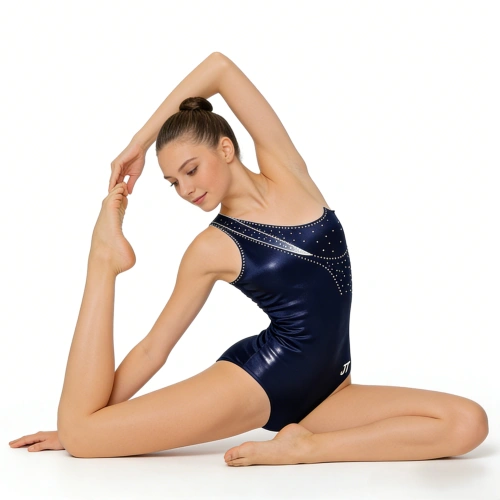
When evaluating practice leotards for everyday workouts, athletes, parents, coaches, and buyers should consider a set of core criteria. These criteria apply whether the leotard is intended for a single gymnast, a recreational class, a competitive team, or a retail collection. The most important factors include comfort, stretch, breathability, durability, fit, coverage, freedom of movement, ease of care, visual appeal, and value. Each factor interacts with the others. A leotard that is beautiful but uncomfortable will not be worn often. A leotard that is comfortable but loses shape after a few washes will not provide good value. A leotard that fits one athlete well but varies widely across a team will create ordering and sizing problems.
Comfort is the first requirement of any practice leotard. During a typical workout, a gymnast may move through extreme ranges of motion. The shoulders may rotate, the spine may arch and curl, the hips may open into splits, and the legs may swing and land. A practice leotard must accommodate all of these movements without restriction. Stretch fabrics such as Lycra and Spandex blends are commonly used because they allow the garment to expand and recover. However, not all stretch fabrics perform equally. The quality of the elastane, the density of the knit, and the way the fabric is cut and sewn all affect how the leotard feels during movement.
A comfortable practice leotard should not bind at the neck, shoulders, underarms, or legs. It should not require constant tugging. It should allow deep breaths and full shoulder rotation. It should feel secure without being tight in a way that restricts circulation or causes chafing. For younger gymnasts, comfort is especially important because an uncomfortable leotard can distract from learning and make training feel like a chore. For older athletes, comfort supports longer, more focused training sessions and reduces the risk of irritation during high-volume repetition.
Gymnastics training can be intense. Athletes sweat, body temperature rises, and clothing can become damp. A practice leotard that traps moisture may feel heavy, cold, or uncomfortable. Breathability and moisture management are therefore important considerations, especially for athletes who train multiple times per week. Fabrics that allow air to circulate and moisture to move away from the skin can help the athlete stay drier and more comfortable. Mesh panels, lightweight knits, and performance polyester blends are often used to improve ventilation in key areas.
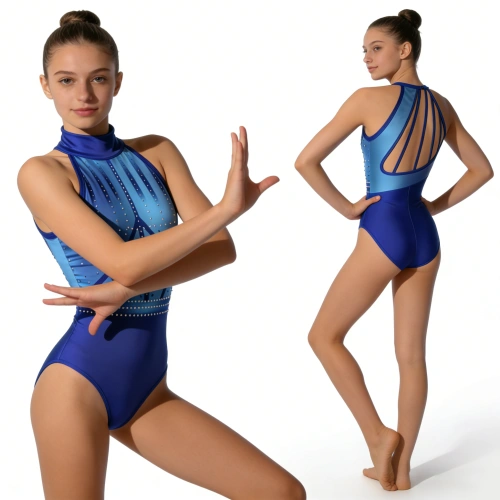
Moisture management does not mean that the leotard will never become wet. It means that the fabric is designed to handle moisture in a way that supports comfort. Some fabrics dry quickly, while others may hold water and take longer to dry. For everyday workouts, a leotard that dries overnight is more practical than one that remains damp for hours. Clubs that order team practice leotards may also consider how easily the fabric washes and dries, since consistent care routines help uniforms last longer.
Durability is one of the clearest differences between a practice leotard and a competition leotard. Practice leotards are worn more often, washed more often, and subjected to more friction from mats, equipment, and repeated movement. They must resist pilling, fading, stretching out, and seam failure. Fabric weight and quality matter, but so do construction details. Reinforced seams, proper thread tension, secure binding, and careful finishing all contribute to a longer product life.
Durability also depends on how the leotard is cared for. A well-made leotard can last much longer when it is washed according to instructions, dried properly, and stored away from rough surfaces. However, even the best care cannot compensate for poor manufacturing. A leotard with weak stitching or low-quality elastic may fail early, no matter how carefully it is treated. For clubs and teams, durability directly affects budget planning. If a leotard lasts through a full season or more, the cost per wear is lower, and parents are less likely to need replacements mid-season.
Fit is both a functional and a personal issue. A practice leotard should follow the body's contours without cutting in or gaping. It should provide adequate coverage at the chest, back, hips, and legs. Coverage needs vary by age, body type, and personal preference. Younger gymnasts may need more modest cuts, while older athletes may prefer styles that allow greater freedom. Coaches often prefer team leotards that provide consistent coverage so that athletes feel confident and comfortable during all types of training.
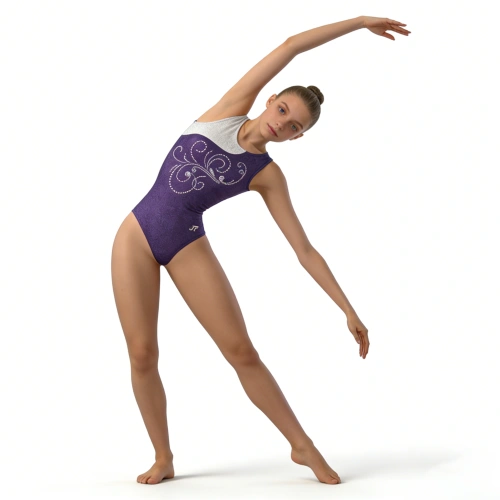
Fit also affects performance. If a leotard is too loose, it may shift during inversions. If it is too tight, it may restrict movement or cause discomfort. The ideal fit is secure but not restrictive. It allows the athlete to move naturally and forget about the garment. Achieving this fit requires accurate sizing, well-developed patterns, and fabrics with appropriate stretch and recovery. Custom manufacturers often use size sets, measurement charts, and sample fittings to help teams achieve consistent fit across many athletes.
Freedom of movement is the ultimate test of a practice leotard. A gymnast should be able to run, jump, tumble, swing, and balance without feeling held back. The leotard should not restrict the shoulders, hips, or legs. It should not cause the athlete to adjust straps or pull down the legs. It should move with the body, not against it. This is why pattern development is so important. The placement of seams, the shape of the armholes, the cut of the leg openings, and the stretch direction of the fabric all influence how the leotard performs during dynamic movement.
For everyday workouts, freedom of movement is more valuable than elaborate decoration. A simple leotard with excellent stretch and a well-designed pattern will often outperform a heavily decorated leotard that restricts motion. That does not mean practice leotards must be plain. It means that design decisions should support movement rather than compete with it. A manufacturer with gymnastics-specific experience can balance these priorities, creating practice leotards that are both functional and visually appealing.
Practice leotards are practical, but they are also visible. Athletes wear them in the gym, at camps, in photographs, and at team events. A practice leotard that looks good can boost confidence and help a club present a professional image. Colors, patterns, logos, and design details can reflect team identity and create a sense of belonging. For clubs, matching practice leotards can make training sessions look organized and unified. For brands and distributors, attractive designs can help a product stand out in a crowded market.
Visual appeal should not come at the expense of comfort or durability. The best practice leotards combine both. They use color blocking, sublimation printing, mesh accents, or subtle rhinestone details to create interest while keeping the garment comfortable. Customization allows teams and brands to choose colors that match their identity, add logos or names, and develop a look that is consistent across a collection. This is one area where a specialized manufacturer such as T&J Sportswear can provide significant value, offering design support and customization from artwork to finished product.
Fabric is the foundation of any practice leotard. It determines how the garment feels, stretches, breathes, dries, and wears over time. Different fabrics offer different benefits, and the best choice depends on the intended use. Practice leotards for everyday workouts often prioritize comfort, durability, and moisture management, while competition leotards may prioritize shine, structure, and decoration. Many manufacturers use blends to combine the strengths of multiple fibers. T&J Sportswear, for example, works with materials such as Lycra, Spandex, Polyester, Mystique, and Mesh, selecting them according to the design and application.
Lycra and Spandex are well-known for their elasticity. They allow a leotard to stretch and recover, which is essential for gymnastics. A good Lycra or Spandex blend feels soft against the skin, moves easily, and returns to its original shape after stretching. These fabrics are often used in practice leotards because they provide the freedom of movement athletes need. However, the percentage of elastane and the quality of the knit matter. A lower-quality blend may lose shape quickly or become thin over time. A higher-quality blend maintains compression, coverage, and fit through many wears.
Lycra and Spandex blends are also used in competition leotards, but practice leotards may use slightly different weights or finishes to improve durability. For everyday workouts, the goal is a fabric that feels comfortable, supports movement, and withstands frequent washing. Clubs and teams should look for leotards that retain their shape and color after repeated use. This is where manufacturing consistency becomes important. A reliable manufacturer selects fabrics carefully and tests them for stretch, recovery, and appearance before production.
Polyester is valued for its durability, color retention, and moisture-wicking properties. It can be blended with Spandex to create a fabric that stretches while remaining strong and quick-drying. Polyester blends are common in training apparel because they resist fading and hold up well to repeated washing. They can also be printed with sublimation, allowing for vibrant colors and complex patterns that do not crack or peel. For practice leotards, polyester blends can provide a practical balance of comfort, durability, and visual appeal.
Performance blends may also include other fibers to improve softness, breathability, or shape retention. The exact composition depends on the intended use. A leotard designed for high-intensity training may prioritize moisture management and durability, while a leotard designed for recreational classes may prioritize softness and affordability. Buyers should ask about fabric composition and performance characteristics rather than assuming that all stretch fabrics are the same.
Mystique is a shiny, stretchy fabric often used in gymnastics apparel for its eye-catching appearance. It can add visual interest to practice leotards, especially when used as an accent rather than the main fabric. Mystique may be combined with matte fabrics to create contrast, or used in panels that highlight the design. While Mystique is attractive, it may not be as breathable or durable as some other fabrics, so its placement should be considered carefully. A manufacturer with design experience can use Mystique strategically to achieve a desired look without compromising comfort.
Decorative fabrics can also include mesh, lace-like knits, or printed panels. These materials can enhance ventilation, add texture, or create a modern aesthetic. However, they must be constructed carefully to avoid irritation or premature wear. For practice leotards, decorative elements should support the overall function of the garment. They should not create uncomfortable seams or reduce stretch in critical areas.
Mesh is often used in practice leotards to improve breathability and add visual interest. Mesh panels can be placed along the sides, back, or sleeves to allow air circulation. They can also create a sporty look that appeals to athletes. However, mesh varies in quality and stretch. A good mesh should be soft, durable, and able to move with the body without tearing. It should also provide appropriate coverage. In some designs, mesh is layered over a solid fabric to maintain modesty while still offering ventilation.
When choosing practice leotards with mesh, athletes and coaches should check how the mesh feels against the skin and how it performs during movement. If the mesh is too stiff or scratchy, it may cause discomfort. If it is too delicate, it may snag or tear. A reputable manufacturer will select mesh that balances breathability, durability, and comfort.
Fabric alone does not make a great practice leotard. Construction determines how well the fabric performs and how long the garment lasts. Stitching should be secure, even, and appropriate for stretch fabrics. Seams should lie flat and not irritate the skin. Binding should be smooth and resilient. Elastic should recover without digging in. These details may not be visible at first glance, but they become obvious during training and after repeated washing.
Poor construction can lead to common problems such as seam popping, twisted binding, uneven leg openings, and loose threads. These issues not only affect appearance but also comfort and durability. A leotard with a weak seam may fail during a routine, causing embarrassment and inconvenience. A leotard with uneven stitching may rub against the skin and cause chafing. For clubs and teams, consistent construction is essential because uniforms are worn together and compared. Variations in quality can create dissatisfaction and complicate reorders.
T&J Sportswear pays attention to every stage of manufacturing, from fabric selection and pattern development to cutting, sewing, printing, rhinestone application, quality inspection, and final packaging. This integrated approach helps ensure that practice leotards meet expectations for both demanding training sessions and high-level competitions. The company's experience with competition leotards, practice leotards, custom team leotards, rhinestone leotards, and gymnastics warm-up wear gives it a broad understanding of how construction affects performance.
Design features can make a practice leotard more comfortable, more flattering, or more practical. Some features are purely aesthetic, while others serve functional purposes. When selecting practice leotards for everyday workouts, it helps to consider how each design element affects movement, coverage, and care.
Necklines and shoulder straps influence comfort and security. A high neckline may provide more coverage, while a lower neckline may feel cooler. Straps can be wide or narrow, straight or crossed, and may include adjustable elements. The key is to ensure that the neckline and straps stay in place during movement. They should not dig into the shoulders or pull at the neck. They should allow full range of motion for the arms and shoulders. Athletes who spend a lot of time inverted may prefer straps that are secure and well-positioned.
For team uniforms, neckline and strap styles should be consistent across sizes. If the design changes too much from size to size, the team may look uneven. A manufacturer with strong pattern development can maintain consistent design proportions while adjusting for different body sizes.
Sleeves and armholes are critical for shoulder movement. Sleeveless leotards are common in gymnastics because they allow maximum freedom. However, some athletes prefer short sleeves or long sleeves for warmth or coverage. The armhole shape must be carefully designed to avoid restriction. If the armhole is too tight, it can cut into the underarm and limit movement. If it is too loose, it may expose more than intended or shift during training.
For practice leotards, sleeveless designs with well-shaped armholes are often the most practical. They are cool, allow full shoulder rotation, and are easy to layer with warm-ups. Long-sleeve practice leotards can be useful in colder gyms or for athletes who prefer extra coverage. In either case, the armhole and sleeve construction should support movement without causing discomfort.
Leg cuts affect both appearance and comfort. Higher leg cuts can elongate the legs and provide freedom for splits and leaps. Lower leg cuts may provide more coverage. The best choice depends on the athlete's preference, age, and the requirements of the club. For everyday workouts, many gymnasts prefer a leg cut that stays in place and does not ride up during movement. This requires a pattern that follows the body's contours and fabric with good stretch and recovery.
Coaches and parents may also consider modesty and practicality. Younger gymnasts may need more coverage, while older athletes may prefer a more traditional gymnastics cut. Custom manufacturers can offer different leg cuts and adjust patterns to meet team requirements. This flexibility is especially valuable for clubs that want a consistent look across a wide range of ages and body types.
Lining can improve coverage, comfort, and durability. Some practice leotards include a lined front panel to provide extra modesty and support. Lining can also help the leotard hold its shape and prevent transparency when the fabric is stretched. The choice of lining depends on the fabric and the intended use. A lightweight, breathable lining is usually preferred for training because it adds coverage without adding excessive heat.
When evaluating practice leotards, athletes and parents should check whether the fabric becomes transparent when stretched. This is especially important in lighter colors. A well-made leotard with appropriate lining will provide confidence and comfort during every movement.
Rhinestones and decorative elements can make practice leotards more exciting, but they must be applied securely. Loose rhinestones can fall off during training, creating a mess and ruining the look of the garment. For practice wear, decoration should be durable and comfortable. It should not scratch the skin or interfere with movement. Some teams prefer subtle rhinestone accents for practice, while others prefer printed designs or color blocking.
T&J Sportswear offers rhinestone gymnastics leotards and can apply decoration with attention to placement and security. For practice leotards, the company can recommend decorative techniques that balance visual appeal with durability. This is particularly useful for clubs that want a coordinated team look without sacrificing comfort.
Evaluating a practice leotard requires more than trying it on once. Athletes, parents, and coaches should consider how the leotard performs during actual movement. A simple checklist can help guide the evaluation process.
This checklist can be used for individual purchases as well as team orders. For teams, it is helpful to test sample leotards with several athletes of different sizes. Feedback from multiple gymnasts can reveal fit issues that might not be obvious on a single body type. A manufacturer that supports sampling and customization can use this feedback to refine the final product.
Even experienced buyers can make mistakes when selecting practice leotards. Understanding common pitfalls can help clubs, parents, and brands make better decisions.
By avoiding these mistakes, buyers can select practice leotards that support training, last longer, and provide better value. Working with a specialized gymnastics apparel manufacturer can also reduce risk, because the manufacturer understands the specific demands of the sport.
Custom practice leotards offer significant benefits for gymnastics clubs and teams. They allow the club to choose colors, logos, patterns, and design details that reflect its identity. They can also improve consistency, because all athletes wear the same style. Custom leotards can be designed for different age groups, training levels, or seasons. They can include the club name, team motto, or individual athlete names. For many clubs, custom practice leotards are a practical way to build team spirit and present a professional image.
T&J Sportswear specializes in custom gymnastics leotards and teamwear for clubs, teams, brands, wholesalers, and distributors worldwide. With more than 10 years of manufacturing experience, the company provides reliable quality, flexible customization, and professional service for customers in the US, Europe, and other international markets. Its main products include competition gymnastics leotards, practice gymnastics leotards, custom team leotards, rhinestone gymnastics leotards, and gymnastics warm-up wear. This range allows clubs to develop a complete team collection, from training to competition.
Customization can cover artwork, colors, sublimation printing, logos, rhinestone layouts, fabric combinations, sizes, labels, packaging, and other details. T&J Sportswear supports OEM and ODM services, from design development and sample making to bulk production. The company's professional design team can help transform ideas, sketches, or reference images into finished gymnastics apparel. This is especially useful for new brands that need design support, or for clubs that have a vision but lack technical expertise.
Order flexibility is important for many gymnastics organizations. A growing club may not need thousands of leotards at once. A new brand may want to test a design before committing to large production. A boutique retailer may prefer to start with a small collection and expand based on demand. Low minimum order quantities make these strategies possible. T&J Sportswear offers low MOQ starting from 10 sets for selected products, giving gymnastics clubs, new brands, boutique retailers, and smaller distributors greater flexibility when testing new designs or launching new collections.
Low MOQ does not mean low quality. It means that the manufacturer has organized production to handle smaller runs efficiently. This can be a significant advantage for customers who want to move quickly without taking on excessive inventory risk. Instead of requiring large commitments before a design has proven itself, a flexible manufacturer can support smaller initial orders and help customers gradually develop their collections. This approach supports experimentation, feedback, and growth.
Production capacity matters for larger orders, but it is not only about speed. The real value is the ability to maintain consistent workmanship when moving from samples to bulk production. A factory may be able to produce quickly, but if quality varies from one unit to the next, the customer experience suffers. Consistent workmanship requires skilled workers, clear processes, and quality checks at multiple stages.
T&J Sportswear's factory team includes 30+ skilled workers, with reported production capacity of 300+ leotards per day. This provides a balance between flexible customization and the ability to support larger wholesale and team orders. The company pays attention to fabric, printing, stitching, sizing, rhinestone placement, and overall finishing throughout production. For customers, this means that the first sample and the final bulk order should share the same standards. Consistency is especially important for team uniforms, where every athlete should receive a garment that fits and performs as expected.
Quality control begins before bulk production. During sample development, customers can review the design, fabric, fit, decoration, and finishing before confirming mass production. This step allows adjustments to be made early, reducing the risk of costly mistakes. For custom practice leotards, sampling is an opportunity to test comfort, stretch, and appearance. Coaches and athletes can provide feedback on fit and coverage, and the manufacturer can refine the pattern or materials as needed.
For finished garments, key inspection points can include fabric condition, printing quality, stitching, measurements, rhinestone placement, coverage, and overall appearance. A thorough inspection process helps reduce common problems such as inconsistent sizing, printing defects, loose decoration, or uneven finishing. T&J Sportswear's production process is designed to maintain stable workmanship and carefully inspect finished products before shipment. The company's goal is not only to manufacture gymnastics apparel but also to build long-term partnerships through reliable products and responsive service.
Certifications and testing documentation can be important for brands, distributors, and larger organizations. They provide assurance that products meet certain quality or safety standards. T&J Sportswear lists certifications such as ISO9001, SGS, and CE for applicable products. Specific certification and testing documentation can be provided according to the product and customer requirements. Buyers who need documentation for import, retail, or compliance purposes should discuss these requirements early in the ordering process.
Documentation is not a substitute for quality, but it can support business operations. For brands selling in international markets, having the right paperwork can simplify customs, retail onboarding, and customer communication. A manufacturer that understands international business can help customers navigate these requirements more efficiently.
Sizing is one of the most challenging aspects of gymnastics apparel. Gymnasts come in many body types, and fit preferences vary. A size chart that works for one group may not work for another. Custom manufacturers often provide measurement guidance, size sets, and sample fittings to help teams achieve consistent fit. It is important to collect accurate measurements and allow athletes to try samples when possible. If sampling is not possible, detailed size charts and communication with the manufacturer can reduce the risk of sizing problems.
For team orders, consistency across sizes is essential. The same design should look and fit similarly whether it is produced in a child size or an adult size. This requires careful pattern grading. A manufacturer with experience in gymnastics apparel understands how to adjust patterns without losing the design's proportions or comfort. T&J Sportswear's experience with customers in 36+ countries has given it practical knowledge of different markets, sizing systems, and product preferences. This experience helps the company support customers in North America, Europe, and other regions where quality, customization, and consistency are highly valued.
Proper care can significantly extend the life of a practice leotard. Athletes and parents should follow the manufacturer's care instructions. In general, leotards should be washed in cold water, preferably by hand or on a gentle cycle. Harsh detergents, bleach, and fabric softeners should be avoided because they can damage stretch fibers and decorations. Leotards should be air-dried rather than tumble-dried, since heat can break down elastane and cause shrinkage or fading. Rhinestones and delicate decorations should be protected during washing.
Storage also matters. Leotards should be kept away from rough surfaces, Velcro, and sharp objects that can snag the fabric. They should be folded or hung in a way that prevents stretching. For teams, care instructions can be shared with parents to ensure that all uniforms are maintained consistently. When practice leotards are cared for properly, they retain their fit, color, and comfort for much longer. This reduces replacement costs and keeps the team looking unified.
Budget is always a consideration, but the lowest price is not always the best value. A cheap practice leotard may need to be replaced quickly, making it more expensive over time. A higher-quality leotard may cost more upfront but last through many training sessions. Buyers should consider cost per wear, durability, comfort, and team satisfaction. They should also consider order flexibility. A manufacturer that offers low MOQ, competitive pricing, and professional communication can help customers manage inventory and cash flow more effectively.
T&J Sportswear provides flexible solutions with low MOQ, competitive pricing, professional communication, and one-to-one service. This combination is attractive to growing gymnastics clubs, new brands, and established distributors. Whether a customer needs a small customized team order or a large wholesale production project, the company aims to deliver quality gymnastics apparel with consistent workmanship and dependable service. This customer-focused approach helps build long-term relationships rather than one-time transactions.
Choosing a manufacturing partner is about more than finding a supplier. It is about finding a team that understands the product, communicates clearly, and delivers consistently. Gymnastics apparel has specific requirements that general sportswear manufacturers may not fully appreciate. Stretch, fit, coverage, durability, decoration, and freedom of movement all interact in ways that require specialized knowledge. A manufacturer with experience in competition and training leotards can anticipate these needs and offer practical solutions.
T&J Sportswear has more than 10 years of experience in gymnastics apparel manufacturing, with a strong focus on competition and training leotards. Unlike general sportswear suppliers, the company understands the specific requirements of gymnastics apparel, including stretch, fit, comfort, coverage, durability, decoration, and freedom of movement. Its products and services have reached customers in 36+ countries, giving it practical experience working with different markets, customer requirements, sizing systems, and product preferences. The company's main markets include North America and Europe, where customers place strong emphasis on product quality, customization, consistency, and reliable communication.
From initial inquiry and design development to sampling, production, inspection, and shipment, T&J Sportswear provides professional support throughout the process. Customers can communicate their requirements directly and receive assistance with product development, customization, production details, and logistics. This one-to-one service model is especially valuable for custom gymnastics apparel, where details matter and clear communication prevents errors. The company's goal is to be a dependable gymnastics apparel manufacturing partner for customers around the world.
Choosing gymnastics practice leotards for everyday workouts is a decision that combines comfort, durability, fit, style, and value. Athletes need leotards that move with them and allow them to focus on training. Parents need leotards that last and are easy to care for. Coaches need leotards that support team identity and consistent performance. Clubs, brands, wholesalers, and distributors need manufacturing partners that can deliver quality, customization, and reliable service.
The best practice leotards are not necessarily the most decorated or the most expensive. They are the ones that fit well, feel comfortable, breathe, stretch, and hold up over time. They are the ones that athletes reach for again and again because they support movement and confidence. When clubs and teams invest in quality practice leotards, they invest in a better training experience. When brands and distributors work with a specialized manufacturer, they invest in a more reliable supply chain.
T&J Sportswear combines 10+ years of industry experience, 36+ countries served, 30+ skilled workers, 300+ daily leotard capacity, low MOQ, professional design support, OEM/ODM customization, and one-to-one service. This combination of manufacturing capability and flexibility is well suited to the needs of today's international gymnastics apparel market. From the first idea to the final leotard, T&J Sportswear is committed to making custom gymnastics apparel more efficient, flexible, and reliable. For clubs, teams, brands, wholesalers, and distributors, that commitment can make the process of choosing practice leotards not only easier but also more successful.
In summary, practice leotards for everyday workouts should be selected with the same care as competition apparel. The right fabric, construction, fit, and design can improve comfort, extend product life, and support athlete performance. Customization and flexible manufacturing allow clubs and brands to create practice leotards that reflect their identity and meet their practical needs. By focusing on quality, consistency, and service, specialized manufacturers such as T&J Sportswear help customers navigate the many options available and build collections that athletes are happy to wear every day.
