This comprehensive guide explains how to wash gymnastics practice leotards without causing damage, emphasizing the importance of proper care to maintain elasticity, color, and embellishments. It covers fabric types like Lycra, Spandex, and Polyester, and provides detailed washing instructions, including hand washing vs. machine washing, stain removal, drying techniques, and storage tips. Special attention is given to rhinestones and sublimation printing. Insights from T&J Sportswear, a professional gymnastics apparel manufacturer with over 10 years of experience, highlight the importance of quality manufacturing and proper care. The article also lists common mistakes to avoid and answers frequently asked questions, ensuring readers can extend the lifespan of their leotards. By following these guidelines, gymnasts and coaches can protect their investment and keep leotards performing at their best.
Gymnastics practice leotards are more than just workout clothes—they are an essential piece of equipment that supports an athlete's movement, comfort, and confidence during countless hours of training. Whether you are a gymnast, a parent, a coach, or a club manager, you know that these garments endure a lot: sweat, chalk, stretching, and frequent wear. To keep them looking and performing their best, proper washing is crucial. In this comprehensive guide, we will explore how to wash gymnastics practice leotards without causing damage, preserving their elasticity, color, and embellishments for as long as possible. We will also share insights from T&J Sportswear, a professional gymnastics apparel manufacturer with over 10 years of experience, whose expertise in fabric selection and construction informs the best care practices.
Before diving into washing techniques, it is important to understand the materials that make up a typical practice leotard. According to T&J Sportswear, a company that specializes in competition and practice leotards, the most common fabrics include Lycra, Spandex, Polyester, Mystique, and Mesh. Each of these materials has unique properties: Lycra and Spandex provide exceptional stretch and recovery, Polyester offers durability and color retention, Mystique gives a shiny, eye-catching finish, and Mesh adds breathability. Because these fabrics are often blended and combined with decorative elements like rhinestones or sublimation printing, they require gentle care to avoid damage. T&J Sportswear, with its in-house design team and production capacity of over 300 leotards per day, understands that the longevity of a leotard depends not only on manufacturing quality but also on how it is washed and maintained.
undefined
Improper washing can lead to a host of problems: fading colors, loss of elasticity, pilling, shrinkage, and even damage to rhinestones or printed designs. For practice leotards, which are worn frequently and washed often, these issues can shorten the garment's lifespan significantly. T&J Sportswear emphasizes that gymnastics apparel must combine comfort, flexibility, durability, and visual appeal. To maintain these qualities, it is essential to follow a careful washing routine. Moreover, since practice leotards are often worn directly against the skin, they accumulate sweat, body oils, and dead skin cells. If not washed properly, these can break down the fibers over time, leading to odors and deterioration. Therefore, washing correctly is not just about hygiene—it is about preserving the investment you have made in quality gymnastics apparel.
There are several universal rules that apply to washing any gymnastics leotard, regardless of the specific fabric blend. T&J Sportswear, which serves customers in over 36 countries including the US and Europe, recommends the following guidelines to ensure your leotards remain in top condition:
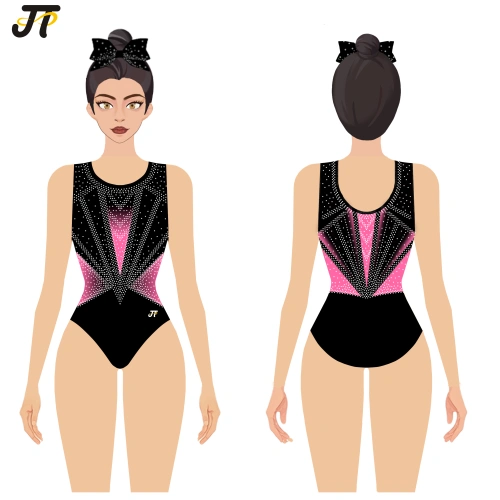
These general rules form the foundation of proper leotard care. However, the method of washing—hand washing versus machine washing—also plays a significant role. Let's examine both options in detail.
When it comes to washing gymnastics practice leotards, hand washing is generally the safest method. It gives you complete control over water temperature, agitation, and the amount of detergent used. Hand washing is especially recommended for leotards with rhinestones, delicate mesh panels, or intricate sublimation designs. T&J Sportswear, which produces rhinestone gymnastics leotards and custom team leotards, often advises customers to hand wash these items to preserve the adhesive and shine of the embellishments. To hand wash, follow these steps:
Machine washing is convenient but carries more risk. If you choose to machine wash, follow these precautions:
Even with these precautions, machine washing can still cause wear over time. T&J Sportswear's production team, which includes over 30 skilled workers, pays close attention to stitching, rhinestone placement, and finishing. They know that even the highest quality leotard can be ruined by rough machine washing. Therefore, for maximum longevity, hand washing is always the preferred method.

Practice leotards are prone to specific types of stains: sweat, chalk, deodorant, and occasionally food or drink spills. Treating stains promptly is key to preventing them from setting. Here are some effective, fabric-safe methods:
Never use chlorine bleach or oxygen bleach on leotards, as these can degrade the elastic fibers and cause colors to fade. T&J Sportswear's quality control process includes checking for fabric condition and colorfastness, but proper stain treatment at home is equally important to maintain the appearance of your leotard.
How you dry your leotard is just as important as how you wash it. The heat and tumbling action of a dryer can cause shrinkage, break down elasticity, and damage rhinestones or printed designs. T&J Sportswear recommends the following drying methods:
If you must use a dryer in an emergency, use the lowest heat setting and remove the leotard while it is still slightly damp. However, be aware that even low heat can cause gradual damage over time. T&J Sportswear's practice leotards are designed for durability, but they will last much longer with air drying.
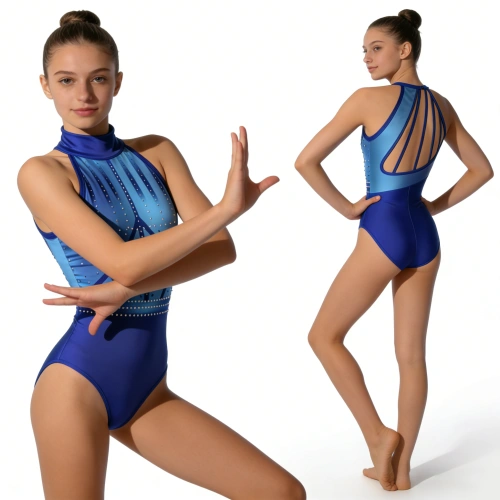
Many gymnastics practice leotards feature rhinestones, crystals, or other decorative elements. These add sparkle and visual appeal but require extra care. T&J Sportswear, which produces rhinestone gymnastics leotards as part of its product range, offers these tips:
Sublimation printing, another common decoration technique used by T&J Sportswear, is generally durable but can be affected by harsh chemicals and high heat. The same gentle washing rules apply: cold water, mild detergent, and air drying. Avoid scrubbing the printed areas, as this can cause the colors to fade or crack.
Proper storage is the final step in maintaining your practice leotards. Even clean leotards can be damaged if stored incorrectly. Here are some storage tips from T&J Sportswear:
By following these storage guidelines, you can extend the life of your leotards and keep them looking new for many training sessions to come.
Understanding the manufacturing process behind your leotard can also inform how you care for it. T&J Sportswear is a professional gymnastics apparel manufacturer with more than 10 years of experience. The company specializes in competition gymnastics leotards, practice gymnastics leotards, custom team leotards, rhinestone gymnastics leotards, and gymnastics warm-up wear. Their production team pays attention to every stage of manufacturing, from fabric selection and pattern development to cutting, sewing, printing, rhinestone application, quality inspection, and final packaging.
For practice leotards, T&J Sportswear focuses on comfort, stretch, breathability, and durability. They use materials such as Lycra, Spandex, Polyester, Mystique, and Mesh, depending on the design and application. The company's in-house design team can develop products based on customer designs, sketches, or reference images, and they support both OEM and ODM services. With a low MOQ starting from 10 sets for selected products, they make it easier for gymnastics clubs, new brands, and distributors to create custom collections.
Quality control is a top priority at T&J Sportswear. They inspect finished garments for fabric condition, printing quality, stitching, measurements, rhinestone placement, coverage, and overall appearance. Their production capacity of over 300 leotards per day is supported by more than 30 skilled workers, ensuring consistent workmanship from sample to bulk production. The company also holds certifications such as ISO9001, SGS, and CE for applicable products.
Because T&J Sportswear understands the demands of gymnastics, they know that proper washing is essential to maintain the performance and appearance of their products. They recommend that customers follow the care instructions provided with each leotard, and when in doubt, opt for hand washing with cold water and mild detergent. Their goal is not only to manufacture gymnastics apparel but also to build long-term partnerships with customers by providing reliable products and responsive service.
Even with the best intentions, many people make mistakes that can damage their leotards. Here are some common pitfalls to avoid:
By avoiding these mistakes, you can significantly extend the life of your practice leotards.
Can I wash my leotard with other clothes?
It is best to wash leotards separately or with other delicate items. Rough fabrics, zippers, and hooks can snag the leotard. If you must wash with other clothes, use a mesh bag and choose a gentle cycle.
How often should I wash my practice leotard?
After every wear. Sweat and body oils can degrade the fabric over time, so washing after each practice is recommended. If you cannot wash immediately, rinse the leotard in cold water and hang it to dry until you can wash it properly.
Can I use vinegar to clean my leotard?
Yes, white vinegar is a great natural cleaner and odor neutralizer. Add half a cup to the rinse water. It helps remove detergent residue and brightens colors without damaging the fabric.
What should I do if my leotard has a stubborn stain?
Treat the stain as soon as possible. Apply a small amount of mild detergent directly to the stain and let it sit for 10 minutes. Gently rub with your fingers or a soft brush, then wash as usual. Avoid harsh chemicals.
How do I prevent my leotard from losing its shape?
Hand wash in cold water, avoid wringing, and air dry flat. Never hang a wet leotard by its straps, as this can stretch them out. Store folded, not hung.
Can I machine wash a leotard with rhinestones?
No. Machine washing can loosen the adhesive and cause rhinestones to fall off. Always hand wash leotards with rhinestones or other embellishments.
Washing gymnastics practice leotards without damage requires a gentle, mindful approach. By following the guidelines in this article—using cold water, mild detergent, hand washing when possible, and air drying—you can preserve the elasticity, color, and embellishments of your leotards for many training sessions. Remember that quality matters, and T&J Sportswear, with its 10+ years of experience and commitment to quality, produces leotards that are built to last. Their attention to fabric selection, construction, and quality control ensures that each leotard can withstand the rigors of gymnastics training, provided it is cared for properly.
Whether you are a gymnast, a coach, or a club manager, taking the time to wash and store leotards correctly is an investment in your performance and your budget. With the right care, your practice leotards will remain comfortable, flexible, and beautiful, supporting you through every routine, every practice, and every competition.
For more information about T&J Sportswear and their range of gymnastics apparel, including custom team leotards, competition leotards, and practice leotards, visit their website or contact their team directly. With flexible customization, low MOQ, and professional service, they are a reliable manufacturing partner for gymnastics clubs, brands, and distributors worldwide.
