This article provides a comprehensive checklist for new brands seeking a gymnastics leotard manufacturer. It emphasizes the importance of evaluating manufacturing experience, design capabilities, material quality, minimum order quantity, production capacity, quality control, communication, certifications, and partnership potential. The article uses T&J Sportswear as a case study, highlighting its 10+ years of experience, in-house design team, low MOQ starting from 10 sets, 30+ skilled workers, 300+ daily leotard capacity, OEM/ODM services, and certifications like ISO9001, SGS, and CE. By following this checklist, new brands can make informed decisions and establish successful partnerships. Key takeaways include the need for gymnastics-specific expertise, the value of a collaborative design process, the importance of fabric quality and construction, the benefits of low MOQ for testing new designs, the necessity of robust quality control, and the advantages of one-to-one communication. The article also covers additional considerations such as packaging, logistics, payment terms, intellectual property protection, and sustainability. It discusses common pitfalls to avoid, such as choosing a manufacturer based solely on price or failing to request samples. The importance of a trial order is emphasized, allowing brands to test quality and service before committing to large volumes. Long-term planning and scalability are also highlighted, ensuring the manufacturer can grow with the brand. Ultimately, choosing the right manufacturer is crucial for a new brand's success in the competitive gymnastics apparel market. T&J Sportswear exemplifies a reliable partner that combines manufacturing capability with flexibility and customer-focused service. With over 10 years of experience, a skilled workforce, and a commitment to quality, T&J is well-equipped to support new brands in launching and growing their collections. New brands should use this checklist as a guide, ask detailed questions, and trust their instincts to find a partner that shares their vision.
Entering the gymnastics apparel market as a new brand is an exciting yet challenging endeavor. The gymnastics industry has seen steady growth globally, driven by increased participation in recreational and competitive gymnastics, rising awareness of fitness, and the popularity of gymnastics-themed media. This growth has created opportunities for new brands to carve out a niche by offering unique designs, superior quality, and excellent customer service. However, the success of a new brand heavily depends on the manufacturing partner it chooses. A reliable manufacturer can bring a brand's vision to life, while a poor choice can lead to quality issues, delays, and financial losses. This comprehensive checklist is designed to guide new brands through the essential factors to consider when selecting a gymnastics leotard manufacturer. By following these points, new brands can make informed decisions and build a solid foundation for their business. Throughout this article, T&J Sportswear, a professional gymnastics apparel manufacturer, will be used as an example to illustrate best practices. T&J Sportswear, often abbreviated as T&J, has over 10 years of experience and specializes in competition leotards, practice leotards, custom team leotards, rhinestone leotards, and warm-up wear.
The checklist covers ten major areas: manufacturing experience and specialization, design and customization capabilities, material quality and construction, minimum order quantity and flexibility, production capacity and scalability, quality control processes, communication and customer service, certifications and compliance, partnership potential, and additional logistical considerations. Each section provides detailed explanations, practical tips, and examples from T&J Sportswear's operations. By the end of this article, new brands will have a clear framework for evaluating potential manufacturers and making a confident choice.
undefined
The first step in the checklist is to assess the manufacturer's experience and specialization in gymnastics apparel. Not all sportswear manufacturers are created equal. While many factories can produce general activewear, gymnastics leotards require a unique set of skills and knowledge. Gymnastics apparel must combine stretch, fit, comfort, coverage, durability, and freedom of movement. These requirements demand specialized pattern-making, fabric selection, and construction techniques that general manufacturers may not possess.
Gymnastics leotards are highly engineered garments. They must allow athletes to perform complex movements such as splits, leaps, and twists without restriction. At the same time, they must provide secure coverage and a flattering fit. This balance is achieved through careful design and construction. For example, the placement of seams can affect both aesthetics and performance. Flatlock seams are often used to reduce bulk and prevent chafing. The type of elastic used at the leg openings and neckline must be soft yet resilient to maintain shape after repeated use. The cut of the leg openings, whether high-cut or moderate, influences both freedom of movement and modesty. A manufacturer with dedicated experience in gymnastics will have refined these details over many years and can produce leotards that meet the rigorous demands of the sport.

T&J Sportswear has more than 10 years of experience in gymnastics apparel manufacturing, with a strong focus on competition and training leotards. Unlike general sportswear suppliers, T&J understands the specific requirements of gymnastics apparel, including stretch, fit, comfort, coverage, durability, decoration, and freedom of movement. This specialization allows them to produce leotards that perform well in both training and competition settings. New brands should look for manufacturers who can demonstrate a similar depth of knowledge. When interviewing potential manufacturers, ask questions about their experience with gymnastics-specific features such as grip-enhancing fabrics, rhinestone application, and sublimation printing. A manufacturer who can speak knowledgeably about these topics is likely to be a good fit.
Experience in international markets is another valuable indicator of a manufacturer's capability. Different regions have different sizing systems, style preferences, and quality expectations. For instance, the US market often favors bold designs and specific sizing, while European markets may prefer more subdued colors and different fit preferences. A manufacturer that has worked with customers across the globe can adapt to these variations and provide insights that help new brands succeed in their target markets. They can also offer guidance on compliance with local regulations and customs requirements.
T&J Sportswear's products and services have reached customers in 36+ countries, giving them practical experience working with different markets, customer requirements, sizing systems, and product preferences. Their main markets include North America and Europe, where customers place strong emphasis on product quality, customization, consistency, and reliable communication. This global exposure has equipped T&J with the ability to serve a diverse clientele. New brands targeting these regions would benefit from a manufacturer with this level of international experience. When evaluating a manufacturer, ask for a list of countries they have shipped to and any specific experience with your target market.
Checklist item: Ask the manufacturer how long they have been in business, what percentage of their production is gymnastics apparel, and which countries they have served. Request references or case studies if available. Inquire about their understanding of your target market's preferences and regulations.
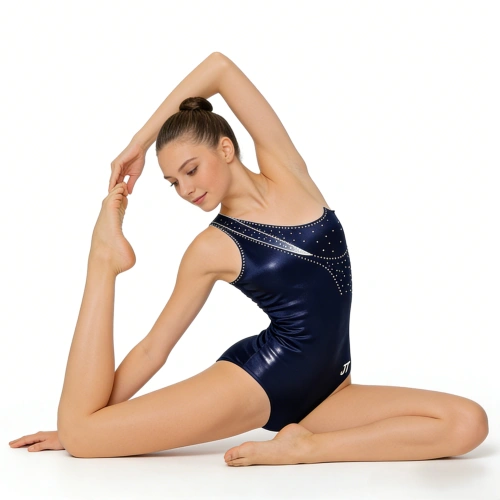
For a new brand, design is a key differentiator. The ability to create unique, eye-catching leotards that reflect the brand's identity is essential. Therefore, the manufacturer's design and customization capabilities should be thoroughly evaluated. A manufacturer with strong design capabilities can help a new brand stand out in a crowded market.
A manufacturer with an in-house design team can offer significant advantages. They can help transform initial ideas, sketches, or reference images into finished products. They can also suggest improvements, recommend fabrics, and ensure that the design is production-friendly. This collaborative approach can save time and reduce the risk of errors. For new brands that may not have extensive design resources, partnering with a manufacturer that offers design support can be a game-changer.
T&J Sportswear has an in-house professional design team specializing in gymnastics apparel. They do more than simply manufacture designs supplied by customers—they can also help develop new concepts based on sketches, reference images, color combinations, team identities, or brand requirements. For competition leotards, they can combine sublimation graphics, color blocking, mesh, rhinestones, crystal decoration, and different fabric effects to create distinctive visual designs. Customers can also customize colors, logos, patterns, labels, and other branding elements. This level of design support allows new brands to experiment with creative ideas and bring them to life without needing to hire their own design team.
When evaluating a manufacturer's design capabilities, ask to see a portfolio of their previous work. Look for variety in styles, complexity of designs, and quality of execution. Inquire about their design process: Do they provide digital mockups? How many revisions are included? What is the turnaround time for design concepts? A manufacturer that is transparent and organized in their design process is likely to be a reliable partner.
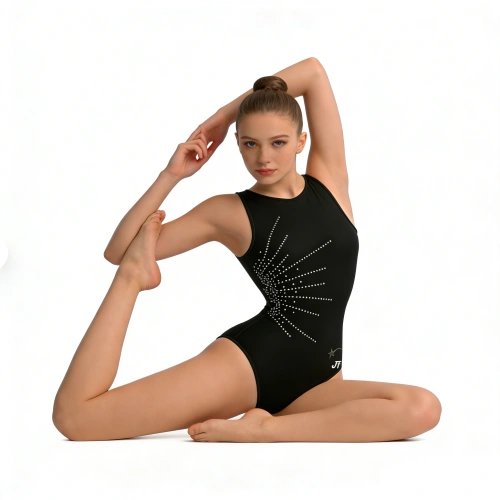
New brands should consider whether the manufacturer offers both OEM (Original Equipment Manufacturer) and ODM (Original Design Manufacturer) services. OEM means the manufacturer produces goods based on the brand's designs. ODM means the manufacturer can design and produce goods that the brand can then label as its own. Having both options provides flexibility, especially for brands that are still developing their design capabilities. A brand might start with ODM to launch a collection quickly, then transition to OEM as they build their own design team.
T&J Sportswear supports both OEM and ODM, allowing customers to choose between producing their own designs and developing new products together with the T&J team. Customization can cover artwork, colors, sublimation printing, logos, rhinestone layouts, fabric combinations, sizes, labels, packaging, and other details. Their production process covers design development, fabric selection, digital artwork, printing, cutting, sewing, decoration, inspection, packaging, and delivery. This integrated approach helps reduce communication between multiple suppliers and gives customers a more efficient path from an initial idea to a finished product. For new brands, this means they can start with a concept and rely on T&J to handle the technical details, ensuring a smooth transition from idea to shelf.
The gymnastics apparel market is constantly evolving. New fabrics, printing techniques, and design trends emerge regularly. A manufacturer that stays up-to-date with these trends can help new brands create products that resonate with current consumers. T&J Sportswear's design team regularly attends industry trade shows and monitors fashion trends. They can advise on popular colors, silhouettes, and embellishments. They also invest in new technologies, such as advanced sublimation printers and rhinestone application machines, to offer innovative design options. New brands should ask manufacturers about their design innovation process and how they stay current.
For example, sustainable and eco-friendly fabrics are becoming more popular. A manufacturer that offers recycled polyester or organic cotton blends can help a new brand appeal to environmentally conscious consumers. T&J Sportswear is exploring sustainable options and can source eco-friendly materials upon request. This forward-thinking approach can give new brands a competitive edge.
The best design outcomes often result from a collaborative process between the brand and the manufacturer. New brands should look for a manufacturer that is open to feedback, willing to experiment, and proactive in suggesting improvements. T&J Sportswear's design team works closely with clients throughout the design process. They provide digital mockups, fabric suggestions, and technical advice. They also conduct fit tests and make adjustments as needed. This collaborative approach ensures that the final product not only looks great but also fits well and performs as expected. New brands should ask about the manufacturer's design process and how they handle revisions and feedback.
Checklist item: Ask to see samples of previous work. Inquire about the design process, how many revisions are included, and whether they can provide digital mockups. Confirm if they offer OEM and ODM services. Discuss the ownership of designs and any intellectual property considerations.
The quality of materials and construction directly affects the performance, durability, and appearance of gymnastics leotards. New brands must ensure that the manufacturer uses high-quality fabrics and maintains strict construction standards. Poor quality materials can lead to customer complaints, returns, and damage to the brand's reputation.
Gymnastics leotards typically use fabrics such as Lycra, Spandex, Polyester, Mystique, and Mesh. Each fabric has different properties. Lycra and Spandex offer excellent stretch and recovery, allowing the leotard to conform to the body and move with the athlete. Polyester is durable and colorfast, making it ideal for sublimation printing. Mystique has a shiny, metallic finish often used for competition leotards to create a striking visual effect. Mesh provides breathability and can be used for decorative panels or ventilation. The choice of fabric depends on the intended use (competition vs. practice) and design requirements. A manufacturer should be able to recommend the best fabric for a given design and use case.
T&J Sportswear pays close attention to fabric selection and garment construction. Their product range can use materials including Lycra, Spandex, Polyester, Mystique, and Mesh, depending on the design and application. Different products can be developed for different priorities, such as stretch, lightweight construction, breathability, quick drying, comfort, durability, and visual appearance. For training leotards, they focus on comfortable stretch, durability, moisture management, and everyday wear. For competition leotards, they place greater emphasis on precision fit, secure coverage, decorative details, and professional finishing. This tailored approach ensures that each leotard meets the specific needs of the athlete and the occasion.
When evaluating fabric quality, ask for fabric swatches and test reports. Inquire about the fabric's stretch percentage, recovery, colorfastness, and resistance to pilling. A reputable manufacturer will be able to provide this information and will stand behind the quality of their materials.
Construction details such as stitching, seam placement, elastic quality, and finishing are critical. Poorly constructed leotards can cause discomfort, restrict movement, or fall apart after a few wears. New brands should ask about the manufacturer's stitching techniques, quality of elastic, and how they ensure consistent sizing. For example, flatlock seams are preferred for gymnastics leotards because they lie flat against the skin and reduce irritation. The elastic at the leg openings should be soft and covered for comfort. The crotch area should be lined for hygiene and comfort.
T&J Sportswear's production team pays attention to every stage of manufacturing, from fabric selection and pattern development to cutting, sewing, printing, rhinestone application, quality inspection, and final packaging. This helps them provide products that are suitable for both demanding training sessions and high-level competitions. Their attention to detail in construction ensures that leotards not only look good but also perform well.
Many gymnastics leotards feature decorations such as sublimation printing, rhinestones, crystals, and mesh inserts. The manufacturer's ability to execute these techniques cleanly and durably is important. Rhinestones, for example, must be securely attached to withstand movement and washing. Sublimation printing should be vibrant and not crack or fade. Mesh inserts should be sewn in neatly and not tear easily.
T&J Sportswear offers rhinestone gymnastics leotards and can combine sublimation graphics, color blocking, mesh, rhinestones, crystal decoration, and different fabric effects. Their attention to decoration ensures that leotards are both visually appealing and durable. They use high-quality rhinestones and application methods to ensure that decorations stay in place. For sublimation, they use advanced printing technology to achieve sharp, long-lasting colors.
To ensure that the materials used in gymnastics leotards meet performance standards, manufacturers should conduct various tests. These tests can include stretch and recovery tests, colorfastness tests, pilling resistance tests, and shrinkage tests. T&J Sportswear performs regular testing on their fabrics to ensure they meet the required specifications. They also test the finished garments for fit and comfort. New brands should ask about the manufacturer's testing procedures and whether they can provide test reports. This data can be used to verify quality and to reassure customers.
For example, a leotard that loses its shape after a few washes is unacceptable. T&J Sportswear uses high-quality elastic and fabric blends that maintain their shape and color over time. They also provide care instructions to customers to help extend the life of the garment. New brands should inquire about the manufacturer's warranty policy and how they handle quality complaints.
Sizing and fit are critical for gymnastics leotards. A leotard that is too tight can restrict movement and cause discomfort, while one that is too loose can be distracting and unsafe. New brands must ensure that the manufacturer has accurate sizing charts and can produce consistent sizes. T&J Sportswear uses standard sizing charts but can also create custom sizing based on a brand's specifications. They offer a range of sizes from child to adult and can accommodate special size requests. They also provide fit samples for approval before bulk production. New brands should ask about the manufacturer's sizing process and how they ensure consistency across orders.
Checklist item: Request fabric swatches and samples. Ask about the manufacturer's quality standards for materials and construction. Inquire about the durability of decorations. Ask for care instructions for the finished garments.
For new brands, MOQ is often a major concern. High MOQs can tie up capital and create inventory risk, especially when testing new designs. Therefore, finding a manufacturer with low MOQ and flexible order policies is essential. A low MOQ allows new brands to enter the market with minimal financial commitment and scale up as demand grows.
A low MOQ allows new brands to test the market with small initial orders. They can gauge demand, gather customer feedback, and refine their designs before committing to larger production runs. This reduces financial risk and enables gradual growth. For example, a new brand might order 10 leotards in a new design to test customer response. If the design sells well, they can reorder in larger quantities. If not, they can discontinue it without significant loss.
T&J Sportswear offers a low MOQ starting from 10 sets for selected products. This gives gymnastics clubs, new brands, boutique retailers, and smaller distributors greater flexibility when testing new designs or launching new collections. Instead of requiring customers to commit to large quantities before they know how a design will perform in their market, T&J can support smaller initial orders and help customers gradually develop their collections. This approach is particularly beneficial for startups and small businesses that may not have the capital for large inventory investments.
While low MOQ is important for starting out, brands also need a manufacturer who can scale production as they grow. The ideal partner can handle both small and large orders without compromising quality or lead times. This scalability is crucial for long-term success. A brand that starts with 10 units may eventually need 1,000 units per month. The manufacturer must be able to ramp up production smoothly.
T&J Sportswear provides flexible solutions with low MOQ, competitive pricing, professional communication, and one-to-one service. Whether a customer needs a small customized team order or a large wholesale production project, T&J is committed to delivering quality gymnastics apparel with consistent workmanship and dependable service. Their production capacity of 300+ leotards per day supports both small and large orders. This means a new brand can grow with T&J without having to switch manufacturers, ensuring consistency in quality and fit.
While low MOQ is ideal, new brands should also understand the relationship between MOQ and pricing. Generally, lower quantities come with higher per-unit costs due to setup and production inefficiencies. New brands should discuss pricing tiers with the manufacturer. For example, T&J Sportswear offers competitive pricing with price breaks at certain quantities. They work with customers to find the optimal order quantity that balances cost and inventory risk. New brands should be transparent about their budget and sales projections to negotiate the best terms. It's also important to consider the total cost of ownership, including shipping, duties, and potential returns. A slightly higher per-unit cost from a reliable manufacturer may be more economical in the long run than a lower price from an unreliable one.
For new brands, inventory management is a delicate balance. Ordering too much can tie up capital and lead to dead stock, while ordering too little can result in stockouts and lost sales. A low MOQ manufacturer enables a just-in-time inventory approach. New brands can start with small orders, monitor sales, and reorder quickly. T&J Sportswear's production capacity of 300+ leotards per day means they can fulfill reorders quickly, reducing the need for large safety stocks. New brands should ask about the manufacturer's lead time for reorders and their ability to handle rush orders. This flexibility is crucial for adapting to market demand.
Checklist item: Ask about the MOQ for different product types. Inquire about price breaks at higher quantities. Confirm if the manufacturer can accommodate rush orders or seasonal fluctuations. Discuss your growth projections and ask if they can scale with you.
Production capacity is another critical factor. A manufacturer with sufficient capacity can handle orders of various sizes and maintain timely delivery. However, capacity is not just about quantity; it's also about the ability to maintain consistent quality as volume increases. A manufacturer that rushes production may sacrifice quality, leading to defects and customer dissatisfaction.
The skill level of the workforce directly impacts product quality. Experienced sewers and craftspeople can produce better-finished garments with fewer defects. Daily output capacity indicates how quickly orders can be fulfilled. A manufacturer with a large workforce and high daily output is generally more capable of handling large orders and meeting tight deadlines.
T&J Sportswear's factory team includes 30+ skilled workers, with reported production capacity of 300+ leotards per day. This provides a balance between flexible customization and the ability to support larger wholesale and team orders. For customers, production capacity is not simply about quantity. The real value is the ability to maintain consistent workmanship when moving from samples to bulk production. T&J pays attention to fabric, printing, stitching, sizing, rhinestone placement, and overall finishing throughout production. This focus on consistency ensures that the 1000th leotard is as good as the first.
New brands often require a high degree of customization, which can be challenging for manufacturers geared towards mass production. The ideal manufacturer can handle custom designs efficiently without sacrificing speed or quality. They have systems in place to manage custom orders alongside larger production runs.
T&J Sportswear combines experienced production capabilities with professional design support, flexible customization, and a customer-focused approach. This allows them to serve both small custom orders and large wholesale projects effectively. Their team is trained to handle custom specifications, such as unique color combinations, logo placements, and rhinestone patterns, without disrupting the overall production flow. This flexibility is a significant advantage for new brands that want to offer unique products.
A manufacturer's production planning and scheduling capabilities are important for meeting delivery deadlines. New brands should ask how the manufacturer manages production schedules, especially during peak seasons. T&J Sportswear uses a production planning system to allocate resources efficiently. They communicate lead times clearly and provide regular updates on production progress. They also have contingency plans for equipment breakdowns or material shortages. New brands should inquire about the manufacturer's on-time delivery rate and how they handle delays. A manufacturer with a strong track record of on-time delivery is a reliable partner.
Customization can slow down production if not managed properly. A manufacturer that specializes in custom orders will have streamlined processes for handling unique designs. T&J Sportswear has a dedicated team for custom orders. They separate custom production from bulk production to ensure that custom orders receive the necessary attention without disrupting larger runs. They also have skilled workers who are experienced in handling complex designs, such as those with extensive rhinestone work or sublimation printing. New brands should ask about the manufacturer's capacity for customization and how they ensure quality in custom orders.
Checklist item: Ask about the manufacturer's monthly or annual capacity. Inquire about their lead times for samples and bulk orders. Request information on how they handle peak seasons. Ask for a production schedule example.
Quality control is paramount in gymnastics apparel. Defects such as inconsistent sizing, printing flaws, loose rhinestones, or poor stitching can lead to customer dissatisfaction and returns. A robust quality control system ensures that every garment meets the brand's standards. New brands should scrutinize the manufacturer's quality control procedures at every stage.
Quality control begins with sample development. Before bulk production, the manufacturer should produce a sample for the brand to review. This sample allows the brand to check the design, fabric, fit, decoration, and finishing. Any issues can be addressed before mass production, saving time and money. The sample approval process should be thorough and documented.
T&J Sportswear's quality control starts before bulk production. During sample development, customers can review the design, fabric, fit, decoration, and finishing before confirming mass production. This collaborative process helps ensure that the final product matches expectations. T&J provides detailed photos and measurements of the sample, and customers can request adjustments until the sample is perfect. This iterative process reduces the risk of errors in bulk production.
During bulk production, inspections should be conducted at various stages. Key inspection points include fabric condition, printing quality, stitching, measurements, rhinestone placement, coverage, and overall appearance. The manufacturer should have documented procedures for these inspections. In-line inspections catch issues early, while final inspections ensure that only perfect garments are shipped.
For finished garments, T&J Sportswear's key inspection points include fabric condition, printing quality, stitching, measurements, rhinestone placement, coverage, and overall appearance. Their production process is designed to reduce common problems such as inconsistent sizing, printing defects, loose decoration, or uneven finishing. They use checklists and trained inspectors to ensure that every batch meets the quality standards. Any defective garments are set aside for repair or replacement.
Certifications such as ISO9001, SGS, and CE provide independent verification of a manufacturer's quality management systems and product safety. New brands should ask about these certifications and whether the manufacturer can provide test reports for specific products. These certifications can also be used in marketing to build customer trust.
T&J Sportswear's product information lists certifications such as ISO9001, SGS, and CE for applicable products. Specific certification and testing documentation can be provided according to the product and customer requirements. This transparency helps new brands ensure compliance and build trust with their customers. When evaluating a manufacturer, ask for copies of their certificates and understand the scope of their certification.
For additional assurance, new brands can arrange for third-party inspections. Companies like SGS, Bureau Veritas, and Intertek offer inspection services that can verify the quality of goods before shipment. T&J Sportswear supports third-party inspections and can accommodate inspectors at their factory. This openness demonstrates their confidence in their quality control. New brands should consider budgeting for third-party inspections, especially for large orders. The cost is often minimal compared to the potential losses from defective goods.
Quality control is not a one-time activity; it's a continuous process. Manufacturers should regularly review their quality data, identify recurring issues, and implement corrective actions. T&J Sportswear holds regular quality meetings to discuss feedback and improve processes. They also invest in training for their workers to enhance their skills. New brands should ask about the manufacturer's approach to continuous improvement and how they handle customer feedback. A manufacturer that is committed to learning and improving will deliver better results over time.
Checklist item: Ask about the manufacturer's quality control process. Request a sample inspection report. Inquire about certifications and testing capabilities. Ask how they handle defective products and what the return policy is.
Effective communication is the backbone of a successful manufacturer-brand relationship. Especially for custom orders, clear and timely communication is essential to avoid misunderstandings and delays. New brands should evaluate the manufacturer's responsiveness, language capabilities, and willingness to provide personalized service.
Having a dedicated point of contact who understands the brand's needs can make a significant difference. This person can provide updates, answer questions, and coordinate various aspects of the order. They can also offer advice based on their experience with other brands. A dedicated account manager ensures that the brand is not lost in a sea of clients.
T&J Sportswear believes that manufacturing quality is only one part of a successful supplier relationship. Clear communication and responsive service are equally important, especially for customized gymnastics apparel. From initial inquiry and design development to sampling, production, inspection, and shipment, their team provides professional support throughout the process. Customers can communicate their requirements directly and receive assistance with product development, customization, production details, and logistics. This one-to-one service model ensures that every customer feels valued and informed.
For international brands, language barriers can be a challenge. A manufacturer with English-speaking staff or experience working with international clients can smooth the process. Cultural understanding also helps in interpreting design preferences and business practices. For example, a manufacturer familiar with Western aesthetics will better understand design trends and sizing expectations.
T&J Sportswear works with customers in the US, Europe, and other international markets. Their experience in these regions has equipped them with the communication skills and cultural awareness needed to serve global brands effectively. They understand the importance of clear, concise communication and are responsive to customer inquiries. This makes them an ideal partner for new brands targeting international markets.
In today's digital age, effective communication can be facilitated by various tools and platforms. New brands should ask what communication channels the manufacturer uses. T&J Sportswear uses email, instant messaging apps (like WhatsApp or WeChat), and video conferencing for client communication. They also provide regular production updates with photos and videos. This transparency keeps clients informed and involved. New brands should establish a preferred communication method and schedule regular check-ins. Clear communication protocols help prevent misunderstandings and ensure that both parties are aligned.
Even with the best planning, issues can arise. How a manufacturer handles problems is a true test of their customer service. New brands should ask about the manufacturer's process for resolving disputes. T&J Sportswear has a customer service team dedicated to resolving issues quickly and fairly. They encourage open communication and work with clients to find mutually acceptable solutions. They also have a clear return and refund policy for defective products. New brands should discuss potential issues upfront and agree on a resolution process. A manufacturer that is responsive and fair in addressing problems is a valuable partner.
Checklist item: Test the manufacturer's responsiveness by sending an inquiry. Ask about their communication channels and typical response times. Inquire if they have English-speaking representatives. Request a sample of their communication style and professionalism.
Depending on the target market, there may be specific regulations and standards that gymnastics apparel must meet. For example, children's apparel in the US must comply with CPSIA regulations. In Europe, REACH regulations apply to chemicals used in textiles. Certifications like ISO9001 demonstrate a commitment to quality management, while SGS and CE indicate compliance with certain standards. New brands must ensure that their products meet all applicable regulations to avoid legal issues and recalls.
New brands should verify that the manufacturer can meet the necessary compliance requirements for their target markets. They should also ask about the manufacturer's ability to provide the required documentation. This documentation may be needed for customs clearance and to satisfy retailers.
T&J Sportswear lists certifications such as ISO9001, SGS, and CE for applicable products. Specific certification and testing documentation can be provided according to the product and customer requirements. This transparency helps new brands ensure compliance and build trust with their customers. When evaluating a manufacturer, ask for a list of their certifications and inquire about their experience with compliance testing. A manufacturer that is knowledgeable about regulations can guide new brands through the compliance process.
Compliance requirements vary by country and product type. For gymnastics apparel, key considerations include flammability, chemical content, and labeling. In the US, the Consumer Product Safety Commission (CPSC) enforces regulations for children's apparel, including lead content and phthalates. In the EU, REACH restricts certain chemicals, and the General Product Safety Directive applies. New brands must ensure that their products comply with all applicable regulations. T&J Sportswear stays informed about these regulations and can provide the necessary documentation. They also work with testing laboratories to ensure that their products meet the standards. New brands should ask the manufacturer about their experience with compliance in their target market and request relevant test reports.
Certifications like ISO9001, SGS, and CE offer more than just compliance; they also enhance a brand's credibility. Customers and retailers often look for these certifications as a sign of quality and safety. T&J Sportswear's certifications demonstrate their commitment to quality management and product safety. New brands can leverage these certifications in their marketing materials. They can also use them to reassure potential customers. When evaluating a manufacturer, consider the value of their certifications and how they can benefit your brand.
Checklist item: Identify the compliance requirements for your target market. Ask the manufacturer if they have experience with these requirements. Request copies of relevant certificates. Inquire about their process for handling compliance testing for new products.
Choosing a manufacturer is not just about finding a supplier; it's about establishing a long-term partnership. A good manufacturer will be invested in the brand's success and will work collaboratively to overcome challenges and seize opportunities. New brands should look for manufacturers who demonstrate a genuine interest in their business and a willingness to invest in the relationship.
The best manufacturers view themselves as partners. They offer advice, share industry insights, and are flexible in accommodating the brand's evolving needs. They prioritize mutual growth over short-term transactions. A partnership approach means the manufacturer is willing to go the extra mile to help the brand succeed.
T&J Sportswear's goal is to build long-term partnerships rather than simply complete individual orders. Whether you are a gymnastics club developing team uniforms, a new brand launching a collection, a distributor expanding your product range, or an established buyer looking for a reliable manufacturing partner, T&J provides flexible solutions based on your requirements. With 10+ years of industry experience, 36+ countries served, 30+ skilled workers, 300+ daily leotard capacity, low MOQ, professional design support, OEM/ODM customization, and one-to-one service, they combine manufacturing capability with the flexibility required by today's international gymnastics apparel market. This comprehensive offering makes them a strong candidate for a long-term partnership.
Partnering with the right manufacturer can lead to numerous benefits: consistent quality, reliable delivery, preferential pricing, and collaborative product development. New brands should look for manufacturers who demonstrate a genuine interest in their business and a willingness to invest in the relationship. Over time, a strong partnership can lead to exclusive designs, faster lead times, and better terms.
T&J Sportswear is committed to being a dependable gymnastics apparel manufacturing partner for customers around the world. From the first idea to the final leotard, they are dedicated to making custom gymnastics apparel more efficient, flexible, and reliable. This commitment to partnership is evident in their customer-focused approach and their track record of long-term client relationships.
Building a strong partnership requires effort from both sides. New brands should communicate openly, provide clear feedback, and respect the manufacturer's expertise. T&J Sportswear values long-term relationships and invests time in understanding their clients' goals. They offer strategic advice and help clients navigate challenges. New brands should look for a manufacturer that is willing to invest in the relationship. This can lead to benefits such as priority production scheduling, exclusive design ideas, and better pricing. A partnership based on trust and mutual respect is more likely to succeed.
To illustrate the value of a strong partnership, consider a hypothetical case study. A new brand, let's call it 'FlexiGym', approached T&J Sportswear with a vision for a line of eco-friendly competition leotards. FlexiGym had no manufacturing experience but had a clear brand identity and target market. T&J's design team worked with FlexiGym to develop sketches, select sustainable fabrics, and create digital mockups. They produced samples for approval and made adjustments based on feedback. With a low MOQ of 10 sets per design, FlexiGym was able to launch with three designs. The leotards were a hit, and FlexiGym quickly reordered. T&J scaled production to meet demand, maintaining consistent quality. Within a year, FlexiGym expanded its line and entered new markets. This case study demonstrates how T&J Sportswear's comprehensive support can help a new brand succeed.
Checklist item: Ask about the manufacturer's approach to partnerships. Inquire about their willingness to sign long-term agreements. Request references from existing clients. Ask how they have helped other brands grow.
Beyond the major factors, there are several additional details that new brands should consider when selecting a gymnastics leotard manufacturer. These details can affect the overall success of the partnership and the brand's operations.
Packaging is an important part of the brand experience. Custom labels, hangtags, and polybags can enhance the perceived value of the product. New brands should inquire about the manufacturer's capabilities for custom packaging and branding. Well-designed packaging can make a product feel more premium and can also protect the garment during shipping.
T&J Sportswear offers customization of labels, packaging, and other branding elements. This allows new brands to present their products professionally and consistently. They can produce custom woven labels, printed tags, and branded polybags. This attention to detail helps new brands establish a strong brand identity from the moment the customer receives the product.
Understanding logistics and lead times is crucial for inventory planning. New brands should ask about production timelines, shipping methods, and the manufacturer's experience with international shipping. Delays in shipping can lead to stockouts and lost sales. It's important to have a clear understanding of how long each stage of the process takes.
T&J Sportswear provides support with logistics and can arrange shipment according to customer requirements. Their experience in international markets ensures smooth delivery to destinations worldwide. They can work with freight forwarders, express couriers, or air freight, depending on the urgency and budget. They also provide tracking information so brands can monitor their shipments.
Payment terms can affect cash flow for new brands. It's important to discuss and agree on terms that work for both parties. Typical terms may include a deposit before production and balance before shipment. Some manufacturers offer more flexible terms for repeat customers. New brands should negotiate terms that are sustainable for their business.
T&J Sportswear offers flexible solutions and professional communication to establish mutually agreeable payment terms. They understand the financial constraints of new brands and are willing to work with them to find a payment structure that works. This flexibility is another reason why T&J is a preferred partner for new brands.
Sample costs and turnaround times can vary. Some manufacturers offer free samples for initial orders, while others charge. New brands should clarify these details upfront. It's also important to understand how long sample development takes, as this affects the overall timeline for launching a collection.
T&J Sportswear's sample development process is designed to be efficient and collaborative. They work closely with customers to ensure samples meet expectations. They provide clear timelines and costs for sample development. For new brands, this transparency helps in planning the product launch.
For new brands with unique designs, intellectual property protection is important. Brands should ensure that the manufacturer respects their designs and does not share them with competitors. It's advisable to have a non-disclosure agreement (NDA) in place before sharing sensitive design information.
T&J Sportswear values customer designs and maintains confidentiality. They are committed to ethical manufacturing practices and do not share customer designs with third parties. New brands can feel secure knowing that their intellectual property is protected.
International trade involves risks such as shipping delays, damage, and loss. New brands should discuss insurance options with the manufacturer. T&J Sportswear can arrange cargo insurance upon request. They also provide proper packing to minimize damage during transit. New brands should understand the terms of shipment (e.g., FOB, CIF, EXW) and who is responsible for insurance. A clear understanding of risk management helps avoid financial losses.
Modern consumers are increasingly concerned about sustainability and ethical manufacturing. New brands should inquire about the manufacturer's practices in these areas. T&J Sportswear is committed to ethical manufacturing. They provide safe working conditions, fair wages, and comply with local labor laws. They also offer eco-friendly fabric options and minimize waste in production. New brands can highlight these practices in their marketing to appeal to conscious consumers. A manufacturer that shares your values can help build a brand that customers trust.
Technology plays a growing role in apparel manufacturing. Manufacturers that invest in modern technology can offer better quality, faster turnaround, and innovative designs. T&J Sportswear uses advanced equipment for sublimation printing, rhinestone application, and computerized cutting. They also use design software to create precise patterns and mockups. New brands should ask about the manufacturer's technology and how it benefits their products. A technologically advanced manufacturer can bring new brands' ideas to life more efficiently and accurately.
Some manufacturers offer training and support to their clients. This can include guidance on sizing, marketing, and product development. T&J Sportswear provides one-to-one support and can advise on product development and market trends. They also offer training for clients on how to measure and fit leotards. New brands should ask about the manufacturer's support services and take advantage of any available training. This can help new brands avoid common pitfalls and accelerate their growth.
New brands often make mistakes when selecting a manufacturer. Some common pitfalls include:
By being aware of these pitfalls, new brands can avoid them and make better decisions. T&J Sportswear helps clients navigate these challenges by providing transparent information, clear contracts, and professional guidance.
Before committing to a large order, new brands should place a trial order. A trial order allows the brand to evaluate the manufacturer's quality, communication, and delivery performance on a small scale. T&J Sportswear supports trial orders with low MOQ. This gives new brands the opportunity to test the waters without significant risk. After a successful trial, the brand can proceed with larger orders with confidence. New brands should treat the trial order as a test of the partnership and provide feedback to the manufacturer.
During the trial order, new brands should pay attention to the manufacturer's customer service. How responsive are they? Do they provide timely updates? Are they helpful in resolving issues? T&J Sportswear's one-to-one service ensures that clients receive personalized attention throughout the trial and beyond. New brands should use the trial as an opportunity to assess the manufacturer's commitment to customer satisfaction. A manufacturer that excels in customer service during the trial is likely to continue to do so in the future.
New brands should think about their long-term goals when selecting a manufacturer. Do they plan to expand their product line? Enter new markets? Increase production volume? The manufacturer should be able to support these goals. T&J Sportswear offers a wide range of products and customization options, from competition leotards to practice wear and warm-ups. They can help brands expand their collections. Their production capacity and international experience make them a suitable partner for long-term growth. New brands should discuss their long-term plans with the manufacturer and ensure that they have the capability to support them.
Choosing a gymnastics leotard manufacturer is one of the most important decisions a new brand will make. It's not just about finding a supplier; it's about finding a partner who shares your vision and can help you achieve your goals. By following the checklist in this article, new brands can systematically evaluate potential manufacturers and make an informed choice. T&J Sportswear exemplifies the qualities of a reliable, professional, and flexible manufacturing partner. With over 10 years of experience, a skilled team, low MOQ, and comprehensive design and production capabilities, T&J is well-positioned to support new brands in the competitive gymnastics apparel market.
New brands should take their time, ask questions, and trust their instincts. A good manufacturer will be transparent, responsive, and genuinely interested in your success. With the right partner, you can focus on building your brand and delighting your customers with high-quality gymnastics leotards. The gymnastics apparel industry is dynamic and full of opportunities. With careful planning and the right manufacturing partner, new brands can carve out a successful niche and grow into established players.
This comprehensive checklist has covered all the essential factors for new brands to consider when selecting a gymnastics leotard manufacturer. From experience and design to quality control and partnership potential, each element contributes to a successful collaboration. T&J Sportswear's practices serve as a benchmark for excellence in gymnastics apparel manufacturing. By following this guide, new brands can make confident decisions and build a strong foundation for their business.
