This blog post explores the latest trends in gymnastics leotards that are redefining both performance and style. It highlights how modern leotards have evolved from basic garments to high-tech apparel, driven by advances in fabric technology, design innovation, and customization. Key topics include moisture-wicking and stretch fabrics like Lycra, Spandex, Polyester, Mystique, and Mesh; design trends such as sublimation printing, rhinestone embellishments, mesh panels, and color blocking; the rise of custom teamwear with low MOQ options; the importance of fit, comfort, and ethical manufacturing; and the growing focus on sustainability. The article also features T&J Sportswear, a professional gymnastics apparel manufacturer with over 10 years of experience, serving customers in 36+ countries. T&J Sportswear offers OEM and ODM services, a professional in-house design team, low MOQ starting from 10 sets, and a production capacity of 300+ leotards per day. Their products include competition leotards, practice leotards, custom team leotards, rhinestone leotards, and warm-up wear. The post concludes by looking at future trends such as smart fabrics, 3D printing, sustainable materials, inclusive design, and digital customization. Overall, it provides a comprehensive overview of how gymnastics leotards are being transformed to better serve athletes, clubs, brands, and distributors worldwide.
In the dynamic world of gymnastics, every element counts. From the chalk on the hands to the spring of the floor, athletes rely on their equipment to perform at their peak. Among the most critical pieces of equipment is the leotard. It is not merely a garment; it is a high-performance tool that must move, stretch, and breathe with the athlete. Over the past decade, gymnastics leotards have undergone a revolution. No longer are they simple, utilitarian pieces. Today, they are sophisticated, technologically advanced, and aesthetically stunning. This blog post delves into the latest trends that are redefining both performance and style in gymnastics leotards, and how manufacturers like T&J Sportswear are shaping the future of the sport.
The modern gymnastics leotard is a marvel of engineering. It must provide unrestricted freedom of movement, support the body during high-impact landings, wick away sweat, and maintain its shape after countless washes. At the same time, it must look beautiful, reflecting the personality of the gymnast and the identity of the team. The best leotards achieve a perfect balance between form and function. This balance is not accidental; it is the result of careful research, innovative materials, and skilled craftsmanship.
In this comprehensive guide, we will explore the key trends that are transforming gymnastics apparel. We will look at fabric innovations, design techniques, customization options, and manufacturing processes. We will also highlight how T&J Sportswear, a professional gymnastics apparel manufacturer with over 10 years of experience, is helping clubs, brands, and distributors bring their visions to life. Whether you are a gymnast, a coach, a club owner, or a brand looking to develop a new collection, understanding these trends will help you make informed decisions.
undefined
Gymnastics leotards have come a long way since the early days of the sport. In the mid-20th century, leotards were typically made from simple cotton or wool, which offered limited stretch and breathability. They were functional but not particularly comfortable or stylish. As the sport evolved and athletes began performing more complex routines, the need for better apparel became apparent. The introduction of synthetic fibers like Lycra and Spandex in the 1970s and 1980s revolutionized gymnastics apparel. These materials provided the necessary stretch and recovery, allowing gymnasts to move freely without restriction.

In the 1990s and 2000s, design became a greater focus. Leotards started featuring vibrant colors, patterns, and embellishments. Rhinestones, sequins, and metallic fabrics became popular, especially for competition leotards. However, these early designs sometimes sacrificed comfort for style. The fabrics were not always breathable, and the embellishments could be scratchy or heavy. Manufacturers began to realize that performance and style did not have to be mutually exclusive. This realization led to a new era of innovation.
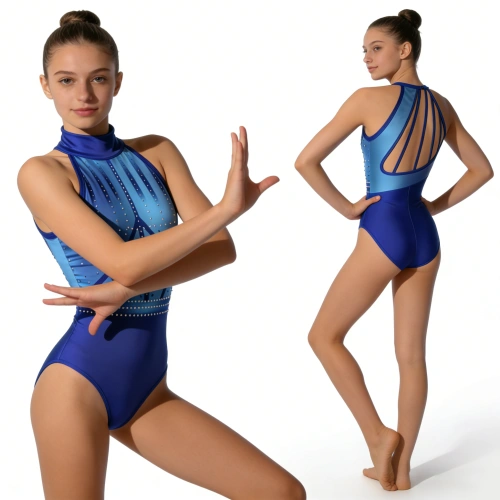
Today, gymnastics leotards are high-tech garments. They are made from advanced synthetic blends that offer superior stretch, moisture management, and durability. Design techniques such as sublimation printing allow for intricate, full-color graphics that do not fade or crack. Rhinestones are applied with precision using heat-transfer methods that ensure they stay in place. Mesh panels provide ventilation, while strategic cutouts enhance both aesthetics and mobility. The modern leotard is a testament to how far sports apparel has come.
One company that has been at the forefront of this evolution is T&J Sportswear. With more than 10 years of experience in the sportswear industry, T&J Sportswear has developed a deep understanding of what gymnasts need. The company specializes in competition gymnastics leotards, practice gymnastics leotards, custom team leotards, rhinestone gymnastics leotards, and gymnastics warm-up wear. Their products are designed to combine comfort, flexibility, durability, fit, and visual appeal, making them a trusted partner for gymnastics clubs, teams, brands, wholesalers, and distributors in the US, Europe, and other international markets.
The performance of a gymnastics leotard begins with the fabric. The right fabric can mean the difference between a gymnast who feels confident and unencumbered and one who is constantly adjusting her leotard. Modern gymnastics apparel relies on a variety of high-performance materials, each with its own unique properties. The most common fabrics include Lycra, Spandex, Polyester, Mystique, and Mesh. Understanding these materials is essential for anyone looking to design or purchase a leotard.
Gymnastics is an intense sport that generates a significant amount of sweat. A leotard that does not wick moisture away from the skin can become heavy, uncomfortable, and even cause chafing. Moisture-wicking fabrics are designed to pull sweat away from the body and spread it across the surface of the fabric, where it can evaporate quickly. This keeps the gymnast dry and comfortable, allowing her to focus on her performance. Breathability is also crucial. Fabrics that allow air to circulate help regulate body temperature, preventing overheating during long training sessions or competitions.
Polyester is often used in moisture-wicking leotards because it is naturally hydrophobic and dries quickly. When blended with Spandex, it provides the necessary stretch while still managing moisture effectively. Some manufacturers also use specialized treatments or fabric structures to enhance wicking and breathability. For example, mesh panels are often incorporated into leotard designs to provide targeted ventilation in high-sweat areas like the back and underarms.
Gymnastics requires an incredible range of motion. Gymnasts perform splits, backbends, twists, and jumps that demand a fabric that can stretch without losing its shape. Spandex (also known as elastane or Lycra) is the go-to fiber for stretch. It can be stretched up to 600% of its original length and still recover its shape. The amount of Spandex in a leotard blend determines its stretch and recovery properties. A typical gymnastics leotard contains between 15% and 25% Spandex, balanced with other fibers like Polyester or Nylon for durability and comfort.
However, not all stretch fabrics are created equal. The quality of the Spandex, the way it is knitted, and the overall construction of the garment all affect how well it performs. High-quality leotards maintain their stretch and compression properties even after repeated wear and washing. They also provide a snug, supportive fit that moves with the body rather than restricting it. T&J Sportswear pays close attention to fabric selection, ensuring that each leotard offers the right balance of stretch, recovery, and comfort for its intended use.

Gymnastics leotards are subjected to a lot of wear and tear. They are stretched, sweated in, washed frequently, and sometimes exposed to rough surfaces like mats and beams. Therefore, durability is a key consideration. Fabrics must resist pilling, snagging, and fading. Color retention is also important, especially for leotards that feature vibrant prints or dark colors. Sublimation printing, which we will discuss later, is excellent for color retention because the dye is infused into the fabric rather than printed on top of it.
Mystique fabric is a popular choice for competition leotards because of its shiny, metallic appearance. It is typically a blend of Nylon and Spandex, which gives it a luxurious look and feel. However, Mystique can be more delicate than other fabrics, so it requires careful handling. Mesh is another specialty fabric used for decorative panels and ventilation. It is lightweight and breathable, but it must be reinforced to prevent tearing.
To help you understand the differences between these fabrics, here is a comparison table:
| Fabric | Composition | Key Properties | Best Use |
|---|---|---|---|
| Lycra/Spandex | Elastane blended with Nylon or Polyester | Exceptional stretch, recovery, and fit | All leotard types, especially competition |
| Polyester | 100% Polyester or blends | Moisture-wicking, durable, colorfast | Practice leotards, sublimated designs |
| Mystique | Nylon/Spandex blend with metallic finish | Shiny, eye-catching, moderate stretch | Competition leotards, special occasions |
| Mesh | Polyester or Nylon | Lightweight, breathable, sheer | Decorative panels, ventilation zones |
T&J Sportswear uses a range of these materials in its products. Depending on the design and application, they can develop leotards that prioritize stretch, lightweight construction, breathability, quick drying, comfort, durability, or visual appearance. For training leotards, they focus on comfortable stretch, durability, moisture management, and everyday wear. For competition leotards, they place greater emphasis on precision fit, secure coverage, decorative details, and professional finishing.
While performance is paramount, style is what makes a leotard truly memorable. Gymnastics is a sport that values artistry, and the leotard is a key part of that artistic expression. Over the years, design trends have evolved, driven by new technologies and changing tastes. Today's leotards feature a stunning array of designs, from subtle elegance to bold, dramatic statements. Let's explore some of the most prominent design trends.
Sublimation printing has revolutionized the way gymnastics leotards are designed. Unlike traditional screen printing, which applies ink on top of the fabric, sublimation printing uses heat to transfer dye into the fabric. The dye becomes part of the fabric, resulting in a design that will not crack, peel, or fade. This technique allows for incredibly intricate, full-color graphics, including gradients, photographic images, and complex patterns. It also allows for unlimited colors without adding weight or stiffness to the garment.
Sublimation is particularly popular for practice leotards and teamwear because it is durable and cost-effective for larger orders. It enables clubs to create custom designs that reflect their team colors, logos, and mascots. T&J Sportswear offers sublimation printing as part of its customization services, helping customers turn their ideas into vibrant, long-lasting designs. Their design team can work with sketches, reference images, or original ideas to create artwork that is optimized for sublimation.
There is nothing quite like the sparkle of rhinestones on a competition leotard. Rhinestones add a touch of glamour and can catch the light in a way that enhances the gymnast's movements. They are available in a wide range of sizes, colors, and finishes, from subtle iridescent stones to bold, bright crystals. When applied correctly, rhinestones can transform a simple leotard into a show-stopping piece.
However, applying rhinestones is a meticulous process. Each stone must be placed precisely and secured with a strong adhesive or heat transfer. Poorly applied rhinestones can fall off during a routine, which is both distracting and potentially dangerous. T&J Sportswear has expertise in rhinestone application, ensuring that every stone is securely attached and perfectly positioned. They offer custom rhinestone layouts, allowing customers to choose the exact pattern and density of stones.
Rhinestones are not just for competition. Many practice leotards also feature subtle rhinestone accents to add a touch of sparkle to everyday training. However, for practice, it is important to use flat-back stones or smaller embellishments that won't irritate the skin or interfere with movement.
Mesh panels and cutouts are a popular design trend that combines style with functionality. Mesh is a lightweight, breathable fabric that can be used to create sheer panels, sleeves, and back designs. It adds a modern, edgy look to leotards while providing ventilation. Cutouts, on the other hand, are openings in the fabric that can be placed strategically to enhance the silhouette or provide additional freedom of movement. They can be simple and elegant or bold and dramatic.
When designing with mesh and cutouts, it is important to consider coverage and support. Gymnasts need to feel secure and confident, so any cutout should be placed in a way that does not compromise modesty or support. T&J Sportswear's design team can help balance aesthetic appeal with practical considerations, ensuring that the final leotard is both beautiful and functional.
Color blocking involves using distinct blocks of solid colors to create a bold, geometric look. It is a timeless design technique that can be used to create a variety of effects, from sporty and dynamic to elegant and sophisticated. Gradient effects, on the other hand, involve a gradual transition from one color to another. This can be achieved through sublimation printing or by using different colored fabrics. Gradients are often used to create a sense of movement and flow, which is perfect for gymnastics.
Color choice is also important. Different colors can evoke different emotions and perceptions. For example, red is often associated with energy and passion, while blue conveys calm and confidence. Many teams choose colors that match their club's identity or school colors. T&J Sportswear offers full customization of colors, allowing customers to select from a wide range of options or provide their own color references.
In addition to these trends, there are many other design elements that can be incorporated into gymnastics leotards, such as foil printing, embossing, and laser-cut details. The key is to find a balance between creativity and practicality, ensuring that the design enhances the gymnast's performance rather than hindering it.
One of the most significant trends in gymnastics apparel is the demand for customization. Gymnastics clubs, teams, and brands want leotards that reflect their unique identity. They want to choose the colors, the design, the logos, and even the smallest details like stitching and labels. Customization allows them to create a cohesive look for their team and to stand out from the competition.
Custom gymnastics leotards are no longer a luxury reserved for elite teams. Thanks to advances in manufacturing technology and more flexible production processes, customization is now accessible to clubs of all sizes. The key is to work with a manufacturer that offers flexible solutions, low minimum order quantities (MOQ), and professional design support.
T&J Sportswear is a leader in custom gymnastics apparel. They offer both OEM (Original Equipment Manufacturer) and ODM (Original Design Manufacturer) services. This means customers can either provide their own designs for production or collaborate with T&J's design team to develop new products from scratch. The customization process can cover artwork, colors, sublimation printing, logos, rhinestone layouts, fabric combinations, sizes, labels, packaging, and more.
One of the biggest advantages for small and growing customers is T&J Sportswear's low MOQ, starting from 10 sets for selected products. This gives gymnastics clubs, new brands, boutique retailers, and smaller distributors greater flexibility when testing new designs or launching new collections. Instead of requiring customers to commit to large quantities before they know how a design will perform in their market, T&J Sportswear can support smaller initial orders and help customers gradually develop their collections.
The customization process typically begins with a consultation. The customer shares their ideas, sketches, reference images, or color requirements. T&J's professional design team then develops artwork and product specifications. A sample is created and sent to the customer for approval. Once the sample is approved, bulk production begins. Throughout the process, the customer receives one-to-one service and regular updates.
This level of customization is not just about aesthetics. It also allows for functional customization. For example, a club might request a specific type of fabric for better moisture management, or a particular cut for improved coverage. T&J Sportswear works closely with customers to understand their needs and to provide solutions that meet both performance and style requirements.
A gymnastics leotard must fit like a second skin. It should be snug enough to stay in place during dynamic movements, but not so tight that it restricts breathing or causes discomfort. Achieving the perfect fit is a combination of art and science. It requires accurate measurements, well-designed patterns, and high-quality fabrics with the right amount of stretch and recovery.
The fit of a leotard is determined by its pattern. Pattern development is a critical stage in the manufacturing process. It involves creating a template that will be used to cut the fabric. The pattern must take into account the anatomical contours of the body, the stretch properties of the fabric, and the desired silhouette. A poorly designed pattern can lead to a leotard that rides up, digs in, or sags.
T&J Sportswear pays meticulous attention to pattern development. Their production team includes skilled pattern makers who understand the unique requirements of gymnastics apparel. They consider factors such as coverage, support, and freedom of movement. They also offer a range of sizes, from children's to adult, and can create custom sizes for teams with specific needs.
Comfort is also influenced by the construction of the leotard. Flatlock seams, for example, are often used in gymnastics apparel because they lie flat against the skin and reduce chafing. The placement of seams is also important. Seams that run across high-friction areas can cause irritation. T&J Sportswear uses advanced sewing techniques to ensure that seams are smooth, strong, and comfortable.
Another factor in comfort is the leg cut. Gymnastics leotards come in a variety of leg cuts, from high-cut to moderate. The choice of leg cut can affect both mobility and modesty. Some gymnasts prefer a higher cut for greater freedom of movement, while others prefer a more moderate cut for coverage. T&J Sportswear offers different leg cut options and can advise customers on the best choice for their team.
Ultimately, the best way to ensure a perfect fit is to try on a sample. T&J Sportswear provides sample development as part of its OEM/ODM services. Customers can review the design, fabric, fit, decoration, and finishing before confirming mass production. This helps to eliminate surprises and ensures that the final product meets expectations.
Sustainability is becoming an increasingly important consideration in the apparel industry, and gymnastics apparel is no exception. Consumers are more aware of the environmental and social impact of the products they buy. They want to know that their leotards are made in an ethical and sustainable way. Manufacturers are responding by adopting more sustainable practices, from using recycled fabrics to reducing waste and energy consumption.
While gymnastics leotards are not typically disposable items, their production can have an environmental footprint. The use of synthetic fibers like Polyester and Spandex, for example, relies on petrochemicals. However, there are ways to mitigate this. Recycled Polyester, made from post-consumer plastic bottles, is becoming more common. It offers the same performance properties as virgin Polyester but with a lower environmental impact. Some manufacturers are also exploring biodegradable fabrics and eco-friendly dyes.
Ethical manufacturing is another key aspect. This means ensuring safe working conditions, fair wages, and no child labor. T&J Sportswear is committed to ethical manufacturing. Their factory team includes 30+ skilled workers, and they maintain stable workmanship and carefully inspect finished products before shipment. They also hold certifications such as ISO9001, SGS, and CE for applicable products, demonstrating their commitment to quality and safety.
For customers who prioritize sustainability, T&J Sportswear can discuss options for more eco-friendly materials and production methods. While not all requests can be accommodated, they are open to exploring sustainable solutions and helping customers make more responsible choices.
In addition to environmental sustainability, there is also a growing focus on social sustainability. This includes supporting local communities, promoting diversity and inclusion, and ensuring that gymnastics apparel is accessible to all. For example, some brands are now offering adaptive leotards for gymnasts with disabilities, or inclusive sizing that caters to a wider range of body types. T&J Sportswear supports inclusive design and can work with customers to develop leotards that meet specific needs.
While competition leotards often get the most attention, practice leotards are equally important. Gymnasts spend the majority of their time training, and they need practice leotards that are comfortable, durable, and affordable. In the past, practice leotards were often plain and utilitarian. Today, they are available in a wide range of styles, colors, and patterns, making them a fashionable choice for everyday training.
The primary focus of a practice leotard is comfort and durability. It must withstand frequent washing and heavy use. It should also be breathable and moisture-wicking to keep the gymnast cool and dry. Practice leotards are typically made from Polyester and Spandex blends, which offer a good balance of stretch, durability, and moisture management. They may feature sublimation printing, which is durable and does not fade.
Design-wise, practice leotards have become much more stylish. Many feature the same design elements as competition leotards, such as mesh panels, color blocking, and even subtle rhinestone accents. This allows gymnasts to feel good about what they wear during training, which can boost confidence and motivation.
T&J Sportswear offers a wide range of practice gymnastics leotards. They focus on comfort, stretch, breathability, and durability for everyday training. They offer a wide range of colors, patterns, and styles, with customized designs available for gymnastics clubs and teams. Their practice leotards are designed to be affordable without compromising on quality.
For clubs, practice leotards can also be customized with team colors and logos. This helps to build a sense of team identity and pride. T&J Sportswear can produce custom practice leotards in various quantities, with low MOQ options available.
Competition leotards are the crown jewels of gymnastics apparel. They are designed to make a statement, to catch the eye of judges and spectators, and to enhance the gymnast's performance. Competition leotards are typically more elaborate than practice leotards, featuring intricate designs, luxurious fabrics, and sparkling embellishments.
When designing a competition leotard, there are several factors to consider. First, the design should complement the gymnast's body and movements. It should not be so busy that it distracts from the routine. Second, the leotard must provide secure coverage and support. Gymnasts need to feel confident that their leotard will stay in place during even the most demanding skills. Third, the leotard should be made from high-quality materials that offer excellent stretch and recovery.
Competition leotards often feature rhinestones, which add sparkle and glamour. They may also feature sublimation printing, mesh panels, and metallic fabrics like Mystique. The combination of these elements can create a truly stunning effect. T&J Sportswear specializes in competition gymnastics leotards. They combine performance fabrics with creative designs, sublimation printing, rhinestones, and other decorative techniques. They pay close attention to fabric selection, cutting, stitching, embellishment, and finishing to create eye-catching leotards that allow athletes to move confidently during competition.
For teams, competition leotards are often coordinated. All team members wear the same design, which creates a unified look. T&J Sportswear offers custom team leotards, allowing clubs to design a leotard that reflects their team's identity. They can customize colors, logos, patterns, and even the placement of rhinestones.
One of the challenges of competition leotards is balancing aesthetics with performance. A leotard that looks beautiful but is uncomfortable or restricts movement is not a good leotard. T&J Sportswear's design and production teams work together to ensure that every competition leotard meets the highest standards of both form and function.
Behind every great gymnastics leotard is a manufacturing process that combines skilled craftsmanship with advanced technology. From fabric selection to final packaging, every step is important. In this section, we take a behind-the-scenes look at how gymnastics leotards are made, using T&J Sportswear as an example of a manufacturer that excels in this area.
T&J Sportswear has more than 10 years of experience in gymnastics apparel manufacturing. Over the years, their products and services have reached customers in 36+ countries, giving them practical experience working with different markets, customer requirements, sizing systems, and product preferences. Their main markets include North America and Europe, where customers place strong emphasis on product quality, customization, consistency, and reliable communication.
The manufacturing process at T&J Sportswear begins with design and development. Their in-house professional design team specializes in gymnastics apparel. They can develop new concepts based on sketches, reference images, color combinations, team identities, or brand requirements. For competition leotards, they can combine sublimation graphics, color blocking, mesh, rhinestones, crystal decoration, and different fabric effects to create distinctive visual designs.
Once the design is finalized, the next step is fabric selection. T&J Sportswear uses materials including Lycra, Spandex, Polyester, Mystique, and Mesh, depending on the design and application. They work with trusted suppliers to ensure that fabrics meet their quality standards. The fabric is then cut according to the pattern. Cutting is a critical step because any inaccuracies can affect the fit and appearance of the final garment.
After cutting, the fabric pieces are sewn together. T&J Sportswear's factory team includes 30+ skilled workers, with reported production capacity of 300+ leotards per day. This provides a balance between flexible customization and the ability to support larger wholesale and team orders. The sewing process involves various techniques, including flatlock stitching for comfort and durability. For sublimated designs, the printing is done before cutting, using heat transfer machines that infuse the dye into the fabric.
Decoration is the next step. This may include rhinestone application, which is done by hand or with specialized machines. T&J Sportswear has expertise in rhinestone application, ensuring that every stone is securely attached and perfectly positioned. Other decorative techniques, such as embroidery or foil printing, may also be used.
Quality control is integrated throughout the production process. During sample development, customers can review the design, fabric, fit, decoration, and finishing before confirming mass production. For finished garments, key inspection points include fabric condition, printing quality, stitching, measurements, rhinestone placement, coverage, and overall appearance. T&J Sportswear's production process is designed to reduce common problems such as inconsistent sizing, printing defects, loose decoration, or uneven finishing.
Finally, the finished leotards are packaged and prepared for shipment. T&J Sportswear can customize packaging, labels, and other details according to customer requirements. They also provide documentation for certifications such as ISO9001, SGS, and CE, which can be provided according to the product and customer requirements.
Throughout the entire process, T&J Sportswear provides one-to-one professional service. From initial inquiry and design development to sampling, production, inspection, and shipment, their team provides professional support. Customers can communicate their requirements directly and receive assistance with product development, customization, production details, and logistics.
The future of gymnastics leotards is exciting. As technology continues to advance, we can expect to see even more innovative materials and designs. Here are some trends that are likely to shape the future of gymnastics apparel.
Smart Fabrics: Researchers are developing fabrics that can monitor biometrics, such as heart rate and muscle activity. While still in the early stages, these smart fabrics could provide valuable data to coaches and athletes, helping them optimize training and performance.
3D Printing: 3D printing is already being used in some sports apparel to create custom-fit components. In the future, it could be used to create leotards with intricate, personalized structures that enhance support and flexibility.
Sustainable Materials: The push for sustainability will continue. We can expect to see more leotards made from recycled and biodegradable materials, as well as more eco-friendly dyeing and finishing processes.
Inclusive Design: The demand for inclusive sizing and adaptive apparel will grow. Manufacturers will need to offer a wider range of sizes and designs to accommodate all body types and abilities.
Digital Customization: Online tools that allow customers to design their own leotards and see a 3D preview will become more common. This will make customization even more accessible and interactive.
T&J Sportswear is well-positioned to adapt to these future trends. With their experienced production capabilities, professional design support, flexible customization, and customer-focused approach, they are committed to being a dependable gymnastics apparel manufacturing partner for customers around the world. Whether you need a small customized team order or a large wholesale production project, T&J Sportswear is dedicated to delivering quality gymnastics apparel with consistent workmanship and dependable service.
Gymnastics leotards have evolved from simple, functional garments to high-performance, stylish pieces of apparel. The trends we have explored—advanced fabrics, innovative design techniques, customization, and sustainable manufacturing—are redefining what a leotard can be. They are enhancing both performance and style, allowing gymnasts to perform at their best while looking and feeling great.
For clubs, teams, brands, and distributors, staying informed about these trends is essential. It allows them to make better decisions when selecting or designing leotards. It also helps them to partner with manufacturers who can bring their visions to life. T&J Sportswear is a prime example of a manufacturer that understands the importance of both performance and style. With over 10 years of experience, a professional design team, flexible customization options, and a commitment to quality, they are helping to shape the future of gymnastics apparel.
Whether you are a gymnast looking for the perfect competition leotard, a coach looking for durable practice leotards, or a brand looking for a reliable manufacturing partner, the trends and insights in this article can guide you. The world of gymnastics leotards is dynamic and exciting, and the future holds even more possibilities. By embracing innovation and prioritizing both form and function, we can ensure that gymnastics apparel continues to inspire and empower athletes around the world.
In summary, the key trends redefining gymnastics leotards include the use of advanced moisture-wicking and stretch fabrics, the rise of sublimation printing and rhinestone embellishments, the demand for custom teamwear, a focus on fit and comfort, and a growing commitment to sustainability. Manufacturers like T&J Sportswear are at the forefront of these trends, providing high-quality, customizable leotards to customers in over 36 countries. As the sport continues to evolve, so will the apparel that supports it, driving further innovation and style.
