T&J Sportswear is a professional gymnastics apparel manufacturer specializing in custom gymnastics leotards and teamwear for clubs, teams, brands, wholesalers, and distributors worldwide. With more than 10 years of manufacturing experience, the company supports faster turnarounds through specialization, in-house design, rapid sampling, material readiness, pattern development, integrated production, quality control, and one-to-one service. Its main products include competition gymnastics leotards, practice gymnastics leotards, custom team leotards, rhinestone gymnastics leotards, and gymnastics warm-up wear.
Faster turnarounds matter because competition dates are fixed and brands and distributors need to respond quickly to market demand. T&J Sportswear helps reduce delays by offering in-house design support, digital artwork, OEM and ODM customization, and low MOQ starting from 10 sets for selected products. The company works with materials such as Lycra, Spandex, Polyester, Mystique, and Mesh to balance stretch, comfort, durability, breathability, and visual appeal. Its production process covers design development, fabric selection, digital artwork, printing, cutting, sewing, rhinestone application, inspection, packaging, and delivery.
Quality control is built into the process from sample to bulk production. Key inspection points include fabric condition, printing quality, stitching, measurements, rhinestone placement, coverage, and overall appearance. Certifications such as ISO9001, SGS, and CE are listed for applicable products, and documentation can be provided according to customer requirements. T&J Sportswear has 30+ skilled workers and reported production capacity of 300+ leotards per day, supporting both small custom orders and larger wholesale projects.
With customers in 36+ countries, particularly the US and Europe, T&J Sportswear understands international sizing, labeling, packaging, and shipping needs. One-to-one professional service keeps communication clear from inquiry to shipment. By combining manufacturing capability with flexibility, design support, and responsive service, T&J Sportswear helps gymnastics clubs, new brands, and distributors achieve faster turnarounds without compromising quality. The company is committed to being a dependable gymnastics apparel manufacturing partner from first idea to final leotard.
In the world of gymnastics, timing can be as important as talent. A club needs its team leotards before a regional championship. A new brand wants to launch a collection in time for the competitive season. A distributor needs to replenish popular practice leotards before demand peaks. A gymnastics team may need a last-minute replacement set after a growth spurt or a change in roster. In each case, the ability of a gymnastics leotard manufacturer to support faster turnarounds can make the difference between a smooth season and a stressful delay.
Speed in gymnastics apparel manufacturing is not simply about rushing. It is about having the right expertise, processes, materials, design support, production capacity, quality control, and communication in place. T&J Sportswear, a professional gymnastics apparel manufacturer with more than 10 years of experience, understands this balance. The company specializes in competition gymnastics leotards, practice gymnastics leotards, custom team leotards, rhinestone gymnastics leotards, and gymnastics warm-up wear. By combining specialized knowledge with flexible customization and reliable production, T&J Sportswear helps clubs, teams, brands, wholesalers, and distributors move from concept to finished leotards more efficiently.
undefined
This article explores how a specialized gymnastics leotard manufacturer supports faster turnarounds, why speed matters in the gymnastics apparel market, what common delays look like, and how T&J Sportswear addresses these challenges through design, sampling, production, quality control, and one-to-one service.
Gymnastics is a sport built on precision, preparation, and presentation. Athletes train for months to perfect routines, and the apparel they wear must support movement, comfort, and confidence. When leotards arrive late, the consequences can be significant. Teams may compete in mismatched or uncomfortable apparel. Brands may miss key selling windows. Distributors may lose sales because popular sizes or styles are unavailable. Coaches may spend time chasing orders instead of focusing on training.
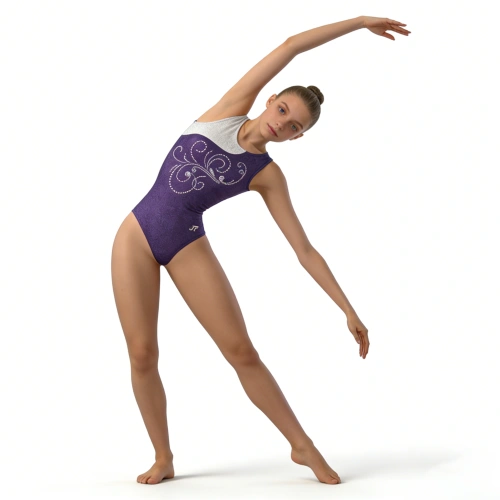
Faster turnarounds matter for several reasons. First, competition schedules are fixed. Unlike some fashion categories, gymnastics apparel is often tied to specific events, seasons, and registration deadlines. A delay of even a few weeks can mean missing a competition or launching a collection too late. Second, team orders often involve multiple sizes and custom details, such as logos, colors, rhinestones, and labels. These details require coordination, and any delay in approval or production can push back the entire order. Third, the gymnastics apparel market is competitive. Clubs, brands, and distributors need to respond quickly to trends, athlete feedback, and customer demand. A manufacturer that can support faster turnarounds gives its customers a stronger position in the market.
However, faster turnarounds should never come at the expense of quality. A leotard that arrives quickly but fits poorly, fades, loses rhinestones, or restricts movement is not a successful product. The best gymnastics leotard manufacturers understand that speed and quality must work together. They achieve this through specialization, integrated processes, and clear communication rather than shortcuts.
Before examining how a manufacturer supports faster turnarounds, it is helpful to understand what causes delays. In gymnastics apparel production, delays can come from many sources. One common issue is unclear design direction. If a customer provides only a rough idea or conflicting references, the manufacturer may need multiple rounds of clarification before sampling can begin. Another issue is fabric sourcing. If a specific fabric, color, or decoration is unavailable, production may stall while alternatives are found. Sampling delays can also occur when feedback is slow or when fit corrections are not clearly communicated.
Production bottlenecks are another factor. A factory that lacks skilled workers, specialized equipment, or organized scheduling may struggle to move from sample approval to bulk production. Quality control problems can also cause delays. If finished garments have inconsistent sizing, printing defects, loose rhinestones, or uneven stitching, they may need to be reworked or remade. Communication gaps can make all these problems worse. When customers, designers, and production teams are not aligned, small issues can become major delays.
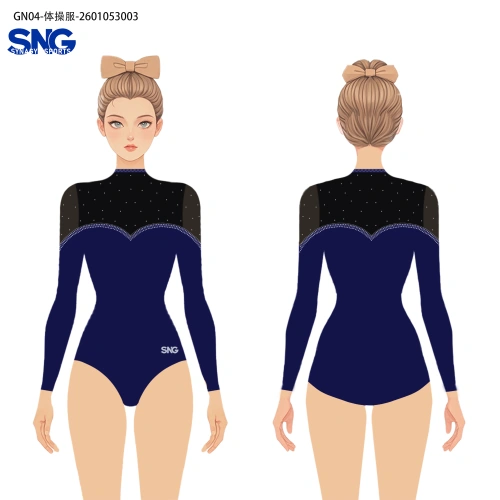
General sportswear suppliers may face additional challenges when producing gymnastics leotards. Gymnastics apparel has specific requirements related to stretch, fit, coverage, durability, decoration, and freedom of movement. A supplier without gymnastics experience may underestimate these requirements, leading to more revisions and longer lead times. This is why specialization matters.
T&J Sportswear has more than 10 years of experience in gymnastics apparel manufacturing, with a strong focus on competition and training leotards. Unlike general sportswear suppliers, the company understands the specific requirements of gymnastics apparel. These requirements include stretch, fit, comfort, coverage, durability, decoration, and freedom of movement. When a manufacturer already understands these needs, it can reduce the number of revisions and move more quickly through design and sampling.
Over the years, T&J Sportswear products and services have reached customers in 36+ countries. This international experience gives the company practical knowledge of different markets, customer requirements, sizing systems, and product preferences. The main markets include North America and Europe, where customers place strong emphasis on product quality, customization, consistency, and reliable communication. Working with a manufacturer that has experience across these markets can help customers avoid common mistakes and speed up decision-making.
Specialization also helps in problem-solving. When a club needs a competition leotard with specific coverage and stretch, or a brand wants a rhinestone design that is both eye-catching and durable, an experienced gymnastics manufacturer can suggest practical solutions. This reduces back-and-forth and keeps the project moving. T&J Sportswear uses its experience to guide customers from initial ideas to finished gymnastics apparel, helping them make informed choices about fabrics, designs, decorations, and production timelines.
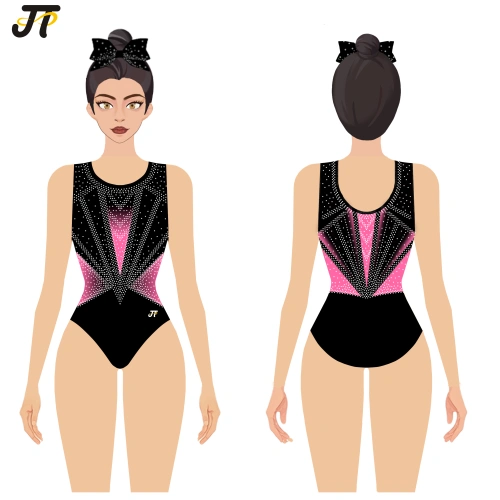
Design is one of the most important stages in leotard manufacturing, and it is also a stage where delays often begin. T&J Sportswear has an in-house professional design team specializing in gymnastics apparel. The team does more than simply manufacture designs supplied by customers. It can also help develop new concepts based on sketches, reference images, color combinations, team identities, or brand requirements.
For competition leotards, the design team can combine sublimation graphics, color blocking, mesh, rhinestones, crystal decoration, and different fabric effects to create distinctive visual designs. Customers can also customize colors, logos, patterns, labels, and other branding elements. Because the design team works directly with the production team, there is less chance of miscommunication between design intent and manufacturing reality. This integrated approach helps reduce delays.
Digital artwork is another speed advantage. Instead of relying solely on physical samples, the design team can create digital mockups that show colors, patterns, and rhinestone layouts. Customers can review these mockups, request changes, and approve designs faster. Digital artwork also helps the production team prepare printing files and decoration plans in advance. This means that once a design is approved, the factory can move more quickly into sampling and bulk production.
For customers with their own design files, T&J Sportswear can review the artwork and suggest adjustments for manufacturability. For example, the team may recommend slight changes to a pattern to improve stretch, coverage, or decoration placement. These suggestions can prevent problems later in production, saving time and reducing the need for rework.
Sampling is a critical checkpoint in leotard manufacturing. It allows customers to review the design, fabric, fit, decoration, and finishing before confirming mass production. A slow sampling process can delay the entire order, while a fast and organized sampling process can keep the project on schedule.
T&J Sportswear supports rapid sampling by integrating design, pattern development, and production preparation. During sample development, customers can review the design, fabric, fit, decoration, and finishing before confirming mass production. The company pays attention to every stage of manufacturing, from fabric selection and pattern development to cutting, sewing, printing, rhinestone application, quality inspection, and final packaging.
Clear feedback is essential for rapid sampling. When customers provide specific comments on fit, color, or decoration, the team can make targeted adjustments instead of guessing. T&J Sportswear provides professional communication and one-to-one service, which helps keep sampling loops short. The goal is to reach an approved sample as efficiently as possible without compromising quality.
In some cases, manufacturers can work on multiple parts of the sample in parallel. For example, while the fit is being adjusted, the printing artwork can be finalized, and rhinestone placement can be planned. This parallel work can reduce the overall sampling timeline. T&J Sportswear uses its experience to coordinate these steps, helping customers move from concept to approved sample with fewer delays.
Fabric selection has a direct impact on both product performance and production speed. A beautiful gymnastics leotard must also perform during movement. T&J Sportswear therefore pays close attention to fabric selection and garment construction. The product range can use materials including Lycra, Spandex, Polyester, Mystique, and Mesh, depending on the design and application.
Different products can be developed for different priorities, such as stretch, lightweight construction, breathability, quick drying, comfort, durability, and visual appearance. For training leotards, the focus is on comfortable stretch, durability, moisture management, and everyday wear. For competition leotards, greater emphasis is placed on precision fit, secure coverage, decorative details, and professional finishing.
To support faster turnarounds, a manufacturer needs reliable access to fabrics and materials. T&J Sportswear works with fabric suppliers and maintains knowledge of available materials, colors, and performance characteristics. When a customer has a tight deadline, the team can recommend fabrics that are both suitable and available. If a specific fabric is not available, the team can suggest alternatives that meet the design and performance requirements. This helps prevent long waits caused by material shortages.
Material readiness also involves planning. For repeat orders, the manufacturer can keep track of previously used fabrics and specifications. This makes reorders faster because less time is needed to select and confirm materials. For new designs, early fabric selection helps the sampling process move more smoothly.
Pattern development is another area where experience and organization can speed up production. Gymnastics leotards must fit closely while allowing freedom of movement. A poorly developed pattern can lead to fit problems, which may require additional samples and delays. T&J Sportswear has experience in pattern development for gymnastics apparel, including competition leotards, practice leotards, and teamwear.
Size grading is especially important for team orders. A gymnastics club may need leotards for athletes of different ages and body types. If the size grading is inaccurate, some athletes may receive leotards that are too tight, too loose, or uncomfortable. This can lead to exchanges and delays. T&J Sportswear works to maintain consistent sizing and can develop size sets according to customer requirements.
For custom team leotards, customers can provide size charts or individual measurements. The manufacturer can then apply these to the pattern development process. Clear sizing information helps reduce fit issues and makes the approval process faster. When customers need to adjust sizes after an initial order, the manufacturer can use existing patterns and grading rules to respond more quickly.
Production speed depends on how well different manufacturing steps are integrated. A gymnastics leotard may involve fabric cutting, sewing, sublimation printing, screen printing, rhinestone application, embroidery, labeling, and packaging. If these steps are handled by multiple external suppliers, coordination can become difficult and delays can occur. T&J Sportswear integrates many of these processes within its production flow, helping reduce communication gaps and production downtime.
The production team pays attention to every stage of manufacturing, from fabric selection and pattern development to cutting, sewing, printing, rhinestone application, quality inspection, and final packaging. This helps provide products that are suitable for both demanding training sessions and high-level competitions. For competition leotards, T&J Sportswear combines performance fabrics with creative designs, sublimation printing, rhinestones, and other decorative techniques. The company pays close attention to fabric selection, cutting, stitching, embellishment, and finishing to create eye-catching leotards that allow athletes to move confidently during competition.
Rhinestone application is a good example of how integration supports faster turnarounds. Rhinestone leotards require careful placement and secure attachment. If the rhinestone work is outsourced, the manufacturer may need to wait for the external supplier, and quality control can be more difficult. By handling rhinestone application within the production process, T&J Sportswear can maintain better control over timing and quality. The same applies to sublimation printing, which requires coordination between design files, fabric, and production scheduling.
Skilled workers are essential for integrated production. T&J Sportswear has a factory team that includes 30+ skilled workers, with reported production capacity of 300+ leotards per day. This provides a balance between flexible customization and the ability to support larger wholesale and team orders. For customers, production capacity is not simply about quantity. The real value is the ability to maintain consistent workmanship when moving from samples to bulk production.
One major advantage for small and growing customers is low MOQ starting from 10 sets for selected products. This gives gymnastics clubs, new brands, boutique retailers, and smaller distributors greater flexibility when testing new designs or launching new collections. Instead of requiring customers to commit to large quantities before they know how a design will perform in their market, T&J Sportswear can support smaller initial orders and help customers gradually develop their collections.
Low MOQ can also support faster turnarounds because it reduces decision-making time. When customers are not forced to place a large order, they can approve a smaller test run more quickly. If the design sells well, they can reorder with more confidence. If adjustments are needed, they can make changes before committing to a larger production run. This flexible approach helps customers move faster in the market.
Flexible order planning is also important for clubs and teams. A growing gymnastics club may need customized team uniforms for a specific competition but may not have the budget or storage for a large inventory. A low MOQ option makes it possible to order the right quantity at the right time. For established distributors, the manufacturer can still support regular production and larger wholesale projects. The key is flexibility. Different customers have different order requirements, and a good manufacturer can adapt to them.
Customization is at the center of T&J Sportswear manufacturing service. The company supports both OEM and ODM, allowing customers to choose between producing their own designs and developing new products together with the team. OEM service is suitable for brands and distributors that already have designs, specifications, and branding. ODM service is helpful for customers that need design support and product development.
Customization can cover artwork, colors, sublimation printing, logos, rhinestone layouts, fabric combinations, sizes, labels, packaging, and other details. The production process covers design development, fabric selection, digital artwork, printing, cutting, sewing, decoration, inspection, packaging, and delivery. This integrated approach helps reduce communication between multiple suppliers and gives customers a more efficient path from an initial idea to a finished product.
For new brands, ODM support can be especially valuable. The design team can help transform ideas, sketches, or reference images into finished gymnastics apparel. This means the brand does not need to hire a separate designer or find multiple suppliers for printing, rhinestones, and sewing. The manufacturer can manage the entire process, which saves time and reduces the risk of miscommunication. For established customers, OEM production ensures that their exact specifications are followed while benefiting from the manufacturer experience and production capacity.
Quality control is often seen as a final step, but it actually begins before bulk production. During sample development, customers can review the design, fabric, fit, decoration, and finishing before confirming mass production. This early quality check helps identify potential problems while changes are still easy and inexpensive to make.
For finished garments, key inspection points can include fabric condition, printing quality, stitching, measurements, rhinestone placement, coverage, and overall appearance. T&J Sportswear production process is designed to reduce common problems such as inconsistent sizing, printing defects, loose decoration, or uneven finishing. When these problems are prevented, there is less need for rework, and orders can move through production more quickly.
Quality control also supports faster turnarounds by reducing surprises. If a customer receives a shipment that does not match the approved sample, the resulting returns, replacements, and complaints can cause major delays. By maintaining stable workmanship and carefully inspecting finished products before shipment, the manufacturer helps ensure that the order arrives correctly the first time. T&J Sportswear product information also lists certifications such as ISO9001, SGS, and CE for applicable products. Specific certification and testing documentation can be provided according to the product and customer requirements.
In gymnastics apparel, small details matter. A loose rhinestone can fall off during a routine. A weak seam can affect comfort and durability. Inconsistent sizing can make a team look uneven. By paying attention to these details, a manufacturer protects both the customer and the athlete. This focus on quality ultimately supports faster turnarounds because it reduces the need for corrective work after production.
Manufacturing quality is only one part of a successful supplier relationship. Clear communication and responsive service are equally important, especially for customized gymnastics apparel. From initial inquiry and design development to sampling, production, inspection, and shipment, T&J Sportswear provides professional support throughout the process. Customers can communicate their requirements directly and receive assistance with product development, customization, production details, and logistics.
One-to-one service helps speed up turnarounds because it reduces confusion. When a customer has a dedicated contact, questions can be answered quickly, and decisions can be made without unnecessary back-and-forth. The manufacturer can also provide regular updates on sampling, production, and shipping. This transparency helps customers plan their own schedules, marketing, and event preparations.
Clear communication is especially important when problems arise. If a fabric is delayed, a printing file needs adjustment, or a shipment requires special documentation, a responsive manufacturer can inform the customer early and propose solutions. This proactive approach prevents small issues from becoming major delays. T&J Sportswear focuses on professional communication and one-to-one service, making it easier for customers to manage their orders and timelines.
Production capacity is a key factor in turnaround time. A manufacturer with limited capacity may struggle to handle multiple orders at once, especially during peak seasons. T&J Sportswear has a factory team that includes 30+ skilled workers, with reported production capacity of 300+ leotards per day. This capacity allows the company to support both custom team orders and larger wholesale production projects.
However, capacity alone is not enough. Scheduling and planning are also important. A manufacturer needs to organize orders, allocate workers, and coordinate materials so that production flows smoothly. T&J Sportswear uses its experience to plan production according to customer deadlines and product requirements. For customers with urgent orders, the manufacturer can discuss scheduling options and provide realistic timelines.
Production capacity also helps with consistency. When a factory has enough skilled workers and organized processes, it can maintain stable workmanship from the first sample to the final bulk shipment. This consistency reduces the need for rework and helps ensure that all leotards in an order meet the same standard. For teams and brands, consistency is essential because every athlete or customer expects the same fit, quality, and appearance.
Faster turnarounds do not end when the leotards are sewn. Packaging, labeling, and shipping are also part of the timeline. T&J Sportswear can customize team colors, logos, patterns, labels, packaging, and other details according to customer requirements. For customers looking to build a complete team collection, the company also provides custom gymnastics warm-ups and matching team apparel.
Custom labels and packaging may seem like small details, but they can affect the customer experience and brand presentation. If labels are missing or packaging is incorrect, the order may be delayed or require rework. By planning these details early, the manufacturer can ensure that finished leotards are ready for shipment without last-minute changes.
Shipping and export documentation are another part of the process. T&J Sportswear works with customers in the US, Europe, and other international markets. The company understands the importance of accurate documentation and reliable logistics. While shipping times depend on the destination and shipping method, a manufacturer that prepares orders properly can help avoid customs delays and other logistical problems. This end-to-end support contributes to faster overall turnarounds.
To understand how a specialized manufacturer supports faster turnarounds, it helps to look at the process step by step. T&J Sportswear follows a structured approach that keeps customers informed and production moving.
The process begins with the customer sharing their requirements. This may include product type, quantity, sizes, colors, logos, design references, target deadline, and budget. For gymnastics clubs, this might be a custom team leotard order for an upcoming competition. For brands, it might be a new collection of competition and practice leotards. For distributors, it might be a wholesale order of popular styles. Clear requirements at this stage help the manufacturer provide accurate timelines and suggestions.
Next, the design team develops artwork based on the customer ideas. This can include digital mockups, color combinations, sublimation patterns, rhinestone layouts, and logo placement. Customers can review the artwork and request changes. Because the design team is in-house, revisions can be made quickly. This stage is critical for avoiding misunderstandings later in production.
Once the design is approved, the manufacturer develops a sample. The sample allows the customer to check the fabric, fit, stitching, printing, rhinestone placement, and overall appearance. T&J Sportswear pays close attention to every stage of sample development, from fabric selection and pattern development to cutting, sewing, printing, rhinestone application, and finishing. If adjustments are needed, they are made before bulk production begins.
After the sample is approved, the order moves into production planning. The manufacturer schedules cutting, sewing, printing, decoration, and quality control. Materials are confirmed, and the production team prepares the necessary patterns and artwork files. For repeat orders, this stage can be faster because many details are already confirmed.
During bulk production, skilled workers cut, sew, print, and decorate the leotards. T&J Sportswear has 30+ skilled workers and reported production capacity of 300+ leotards per day. This capacity allows the factory to handle both small custom orders and larger wholesale projects. Throughout production, the team maintains attention to fabric, printing, stitching, sizing, rhinestone placement, and overall finishing.
Before shipment, finished garments are inspected. Key inspection points can include fabric condition, printing quality, stitching, measurements, rhinestone placement, coverage, and overall appearance. The goal is to catch any issues before the order leaves the factory. This reduces the risk of returns, replacements, and delays for the customer.
Finally, the leotards are packaged according to customer requirements. Labels, hangtags, polybags, and cartons can be customized. The manufacturer prepares the order for shipping and provides the necessary documentation. With experience in international markets, T&J Sportswear supports customers in the US, Europe, and other regions.
Gymnastics clubs often need custom team leotards for competitions, training, and special events. Faster turnarounds are important because competition dates are fixed. A club cannot simply move a championship because the leotards are not ready. T&J Sportswear supports clubs by offering custom team leotards, practice leotards, and warm-up wear. Team colors, logos, patterns, labels, and packaging can be customized according to the club requirements.
Clubs also benefit from low MOQ. A growing club may need only a small number of leotards for a specific team. Low MOQ starting from 10 sets for selected products makes it possible to order the right quantity without overcommitting. If the club grows or adds new athletes, reorders can be produced using existing patterns and specifications, which helps speed up future orders.
Another benefit is design support. Many clubs have a logo and team colors but may not have a full design concept. The T&J Sportswear design team can help develop artwork that reflects the club identity. This reduces the time the club needs to spend on design and allows them to focus on training. With one-to-one service, clubs can communicate directly with the manufacturer and receive updates on sampling and production.
For new gymnastics apparel brands, speed is often critical. A startup may want to launch its first collection in time for a new season or a major event. However, new brands may not have large order quantities or established supplier relationships. T&J Sportswear supports new brands with low MOQ, OEM and ODM services, and professional design support.
ODM service is especially helpful for startups. The design team can help transform ideas, sketches, or reference images into finished gymnastics apparel. This means the brand does not need to build a full design and production team from the beginning. Instead, it can work with an experienced manufacturer to develop the first collection. This can significantly reduce the time needed to launch.
Low MOQ also allows new brands to test the market. Instead of ordering thousands of leotards before knowing what customers want, a brand can start with a smaller order. If a design sells well, the brand can reorder and scale up. If adjustments are needed, the brand can make changes before committing to a larger production run. This flexible approach helps new brands manage risk and move faster.
Wholesalers and distributors need reliable supply, consistent quality, and the ability to replenish popular products. They may work with many retailers, clubs, and teams, which means they need a manufacturer that can handle regular production and larger orders. T&J Sportswear provides flexible solutions for established distributors, including OEM and ODM services, competitive pricing, and professional communication.
For distributors, faster turnarounds can mean better inventory management. If a particular style or size is selling well, the distributor can reorder more quickly. If a new trend emerges, the distributor can work with the manufacturer to develop new designs. The manufacturer production capacity of 300+ leotards per day helps support larger wholesale projects, while the skilled workers help maintain consistent workmanship.
Customization is also valuable for distributors. They may want their own branding, labels, packaging, and product specifications. T&J Sportswear can customize colors, logos, patterns, labels, packaging, and other details. This allows distributors to build their own brand identity while relying on the manufacturer for production expertise.
Even with a good manufacturer, challenges can arise. The difference is how those challenges are managed. Here are some common turnaround challenges and how a specialized gymnastics leotard manufacturer can help.
If a customer is unsure about the design, the process can stall. A manufacturer with in-house design support can help clarify ideas, create digital mockups, and suggest practical options. T&J Sportswear can develop products based on customers designs, sketches, reference images, color requirements, or original ideas. This helps move the project forward.
Fabric shortages can delay production. An experienced manufacturer can recommend alternative fabrics that meet performance and visual requirements. T&J Sportswear works with materials such as Lycra, Spandex, Polyester, Mystique, and Mesh, and can help customers choose suitable options.
Sampling can be delayed if feedback is slow or unclear. One-to-one service and clear communication help keep feedback focused. The manufacturer can provide specific questions and guidance, making it easier for customers to respond quickly.
Limited capacity or poor scheduling can cause bottlenecks. T&J Sportswear has 30+ skilled workers and reported capacity of 300+ leotards per day. The company can plan production according to customer deadlines and product requirements.
Quality problems can lead to rework and delays. T&J Sportswear inspects finished products and pays attention to fabric, printing, stitching, measurements, rhinestone placement, coverage, and overall appearance. Certifications such as ISO9001, SGS, and CE are listed for applicable products, and documentation can be provided according to requirements.
International shipping can be complex. A manufacturer with export experience can prepare documentation and packaging correctly. T&J Sportswear works with customers in the US, Europe, and other international markets, which helps reduce logistical surprises.
When choosing a gymnastics leotard manufacturer, customers should look for several key qualities. First, specialization matters. A manufacturer that focuses on gymnastics apparel will understand the specific requirements of the sport. T&J Sportswear has more than 10 years of experience in gymnastics apparel manufacturing, with a strong focus on competition and training leotards.
Second, in-house design capability is important. A manufacturer that can help with artwork, mockups, and product optimization can reduce delays and improve the final product. Third, production capacity and skilled workers are essential. The ability to maintain consistent workmanship when moving from samples to bulk production is critical. Fourth, quality control processes should be clear. Customers should know what will be inspected and how issues will be handled.
Fifth, communication and service matter. A manufacturer that provides one-to-one service and responds promptly can help keep the project on track. Sixth, flexibility is valuable. Low MOQ, OEM and ODM services, and customizable details make it easier for different types of customers to work with the manufacturer. Finally, international experience is helpful for customers in the US, Europe, and other markets. T&J Sportswear serves customers in 36+ countries and understands the expectations of different markets.
Technology and process management play an important role in faster turnarounds, although the most visible technology in leotard manufacturing is often the sewing and printing equipment. Just as important are digital design tools, communication platforms, production planning systems, and inventory tracking. These tools help the manufacturer organize orders, share artwork, track approvals, and coordinate production steps.
T&J Sportswear uses digital artwork to speed up design reviews and reduce the need for repeated physical samples. The company also uses structured production planning to schedule cutting, sewing, printing, and rhinestone application. This means that orders can move through the factory in an organized way rather than waiting for each step to be completed without a clear timeline.
Process management is also about knowing where delays are likely to occur. For example, if a customer has a tight deadline, the manufacturer can prioritize sampling and confirm fabric availability early. If a design includes complex rhinestone work, the team can plan additional time for decoration and inspection. This proactive planning helps customers avoid surprises and keeps turnarounds realistic.
Customization can add time to a leotard order if it is not managed well. Every custom detail, such as a new logo, a unique color combination, or a specific rhinestone layout, requires design work, sampling, and production planning. However, customization can also be a speed advantage when the manufacturer has in-house design, printing, and decoration capabilities.
T&J Sportswear supports OEM and ODM customization, which means customers can choose how much design support they need. For customers with clear specifications, production can move quickly because the requirements are already defined. For customers who need design help, the in-house team can develop artwork and mockups, reducing the time spent searching for external designers or suppliers.
Customization details can include artwork, colors, sublimation printing, logos, rhinestone layouts, fabric combinations, sizes, labels, packaging, and other elements. When these details are confirmed early, the manufacturer can prepare materials and production plans in advance. When details change late, delays are more likely. Therefore, clear and timely decisions from the customer are one of the most effective ways to support faster turnarounds.
Gymnastics apparel has peak seasons. Competition seasons, back-to-school periods, and major events can create high demand for leotards and teamwear. During these periods, factories may have more orders than usual, and lead times can become longer. Planning ahead is essential for customers who need their leotards by a specific date.
T&J Sportswear advises customers to discuss their target deadlines as early as possible. The manufacturer can then schedule production, confirm fabric availability, and provide a realistic timeline. For clubs, this may mean placing team orders several weeks or months before a competition. For brands, this may mean finalizing designs before the peak production season begins.
Low MOQ can also help during peak season. Customers who are unsure about demand can place a smaller initial order and then reorder if needed. This reduces the risk of overstocking and allows the manufacturer to focus on producing the right quantities. With 30+ skilled workers and 300+ daily leotard capacity, T&J Sportswear can support both small and large orders, but early planning always helps.
Accurate size charts are one of the simplest ways to speed up a leotard order. When sizes are incorrect, the manufacturer may need to adjust patterns, remake samples, or produce replacement garments. These corrections take time and can delay the entire order. For team orders, accurate sizing is especially important because multiple athletes are involved.
T&J Sportswear can work with customer size charts or individual measurements. The company has experience with different sizing systems and can help customers choose the right approach. For custom team leotards, the manufacturer can develop size sets that fit the team roster. If a club has athletes with different body types, the manufacturer can suggest adjustments to improve comfort and coverage.
Clear size information also helps the factory maintain consistency during bulk production. When patterns and grading rules are confirmed, the sewing team can produce each size accurately. This reduces the need for exchanges and returns, which in turn supports faster overall turnarounds.
Rhinestone leotards are popular for competitions because they are eye-catching and visually striking. However, rhinestone application is a detailed process that requires precision and quality control. If rhinestones are not securely attached, they can fall off during a routine, which is both a performance and appearance problem.
T&J Sportswear handles rhinestone application as part of its production process. This integration helps the manufacturer control timing and quality. The design team can plan rhinestone layouts digitally, and the production team can apply the rhinestones according to the approved design. Quality inspection then checks rhinestone placement and attachment before shipment.
For customers, rhinestone leotards can still be produced within a reasonable turnaround when the design is clear and the order is planned properly. The key is to confirm the rhinestone layout early and allow enough time for decoration and inspection. T&J Sportswear uses its experience to balance visual impact with production practicality.
Practice gymnastics leotards focus on comfort, stretch, breathability, and durability for everyday training. They are often ordered in larger quantities or as repeat orders because athletes wear them frequently. For these products, speed and consistency are especially important.
T&J Sportswear offers a wide range of colors, patterns, and styles for practice leotards, with customized designs available for gymnastics clubs and teams. Because practice leotards often use established patterns and materials, repeat orders can be produced faster than first-time custom designs. The manufacturer can keep track of previous specifications and apply them to new orders.
For clubs, repeat practice leotard orders help maintain a consistent look during training. For distributors, repeat orders help keep popular sizes in stock. By working with a manufacturer that understands repeat production, customers can reduce lead times and ensure that their athletes or buyers receive the right products when needed.
For customers looking to build a complete team collection, T&J Sportswear also provides custom gymnastics warm-ups and matching team apparel. Team colors, logos, patterns, labels, packaging, and other details can be customized according to customer requirements. Producing a complete collection with one manufacturer can be faster than coordinating multiple suppliers for leotards, warm-ups, and accessories.
A complete team collection may include competition leotards, practice leotards, warm-up jackets, pants, bags, or other items. When one manufacturer handles the collection, colors and branding can be matched more easily. The production schedule can also be coordinated so that all items are ready at the same time. This is especially useful for clubs and brands that want a unified look for a season or event.
T&J Sportswear can support these complete collections through its design, customization, and production services. The company can help customers plan the collection, develop artwork, and produce the items according to the required timeline. This integrated approach supports faster turnarounds for multi-item orders.
T&J Sportswear works with gymnastics clubs, teams, brands, wholesalers, distributors, and other sportswear businesses, with a strong focus on customers in the US, Europe, and other international markets. International orders involve additional considerations, such as sizing systems, labeling requirements, packaging, shipping methods, and documentation.
Experience with international customers helps the manufacturer anticipate these needs. T&J Sportswear can customize labels, packaging, and product details according to different market requirements. The company also understands the importance of clear communication across time zones and languages. One-to-one service helps ensure that customers receive timely updates and can ask questions directly.
For customers in the US and Europe, working with an experienced international manufacturer can reduce the risk of delays caused by missing documentation or incorrect packaging. T&J Sportswear has served customers in 36+ countries, giving it practical knowledge of different markets and expectations.
Quality and compliance are important for gymnastics apparel, especially for products sold in international markets. T&J Sportswear product information lists certifications such as ISO9001, SGS, and CE for applicable products. Specific certification and testing documentation can be provided according to the product and customer requirements.
These certifications can support customer confidence and may help with market requirements. However, certifications are not a substitute for good production practices. They are part of a broader quality system that includes fabric inspection, sample approval, in-line checks, and final inspection. When a manufacturer combines certifications with practical quality control, customers can expect more consistent products and fewer delays caused by quality problems.
Compliance also involves labeling and packaging requirements. Different markets may have specific rules for fiber content, care instructions, country of origin, and other details. T&J Sportswear can work with customers to ensure that labels and packaging meet their requirements.
There are several misconceptions about fast manufacturing in gymnastics apparel. One misconception is that fast production always means lower quality. In reality, fast production can be high quality when it is based on specialization, efficient processes, and strict quality control. Speed comes from avoiding mistakes, not from skipping important steps.
Another misconception is that fast manufacturing is only for small orders. In fact, a manufacturer with capacity and skilled workers can handle both small custom orders and large wholesale projects. T&J Sportswear supports low MOQ orders starting from 10 sets for selected products while also having the capacity to produce 300+ leotards per day.
A third misconception is that fast manufacturing means no customization. This is not true either. Customization can be efficient when the manufacturer has in-house design, printing, and rhinestone capabilities. T&J Sportswear offers OEM and ODM services and can customize artwork, colors, logos, patterns, labels, packaging, and more. The key is to confirm details early and communicate clearly.
Customers can help support faster turnarounds by preparing the right information before contacting a manufacturer. Clear requirements reduce the time needed for clarification and sampling. Useful information includes product type, quantity, sizes, colors, logos, design references, target deadline, and any specific performance or packaging requirements.
Customers should also be ready to provide feedback during sampling. When comments are specific and timely, the manufacturer can make adjustments quickly and move to bulk production. If a customer is unsure about a design detail, the manufacturer can offer suggestions, but decisions should be made as early as possible.
Finally, customers should discuss their deadlines openly. If a deadline is urgent, the manufacturer can advise whether it is realistic and what steps can be taken to meet it. T&J Sportswear provides one-to-one service and professional communication, which makes this planning process easier. With clear information and timely decisions, customers can achieve faster turnarounds without sacrificing quality.
Faster turnarounds become easier over time when a customer and manufacturer build a long-term partnership. A manufacturer that knows a customer preferences, patterns, fabrics, and branding can produce repeat orders more quickly. The customer does not need to explain every detail again, and the manufacturer can prepare materials and production plans in advance.
T&J Sportswear aims to build long-term partnerships rather than simply complete individual orders. The company goal is not only to manufacture gymnastics apparel but also to build long-term partnerships with customers through reliable products and responsive service. This customer-focused approach encourages consistency and continuous improvement.
For gymnastics clubs, a long-term manufacturing partner can become a reliable source for team uniforms, practice leotards, and warm-ups. For brands, the manufacturer can support multiple collections and help the brand grow. For distributors, the manufacturer can provide regular production and consistent quality. In all cases, the relationship itself becomes a factor in faster turnarounds.
From the first idea to the final leotard, T&J Sportswear is committed to making custom gymnastics apparel more efficient, flexible, and reliable. The company combines experienced production capabilities, professional design support, flexible customization, and a customer-focused approach. Whether the customer is a gymnastics club, a new brand, a distributor, or an established buyer, T&J Sportswear provides flexible solutions based on specific requirements.
The process begins with an idea or requirement and moves through design, sampling, approval, production, inspection, packaging, and shipping. Each step is supported by the manufacturer experience and organized processes. This structure helps reduce delays and keeps customers informed. When issues arise, the one-to-one service model allows for quick communication and problem-solving.
With 10+ years of industry experience, 36+ countries served, 30+ skilled workers, 300+ daily leotard capacity, low MOQ, professional design support, OEM/ODM customization, and one-to-one service, T&J Sportswear combines manufacturing capability with the flexibility required by the international gymnastics apparel market.
Faster turnarounds in gymnastics apparel manufacturing are not achieved by chance. They come from specialization, in-house design, rapid sampling, material readiness, pattern expertise, integrated production, quality control, clear communication, and flexible order planning. A manufacturer that understands gymnastics apparel can anticipate challenges and solve them before they cause delays. A manufacturer with production capacity and skilled workers can move from sample approval to bulk production efficiently. A manufacturer with one-to-one service can keep customers informed and make decisions quickly.
T&J Sportswear embodies these qualities. With more than 10 years of experience, a focus on competition and training leotards, customers in 36+ countries, in-house design support, OEM and ODM services, low MOQ, 30+ skilled workers, and reported capacity of 300+ leotards per day, the company is positioned to support faster turnarounds without sacrificing quality. Whether the customer is a gymnastics club preparing for a competition, a new brand launching a collection, or a distributor expanding its product range, T&J Sportswear offers a dependable path from idea to finished leotard.
In a sport where preparation and presentation matter, having the right manufacturing partner can make a meaningful difference. Faster turnarounds help teams compete with confidence, brands launch on time, and distributors meet demand. By choosing a specialized gymnastics leotard manufacturer like T&J Sportswear, customers can focus on their athletes, their brand, and their business while trusting that their apparel is being produced efficiently and reliably.
